
What Is Acoustic Glass?
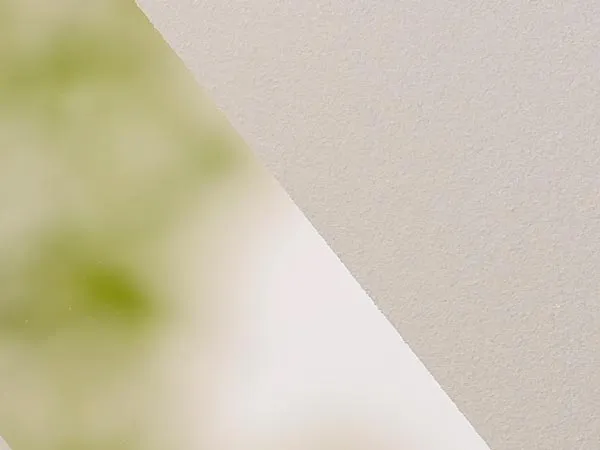
Acoustic glass is a specialist glazing option designed to restrict the amount of sound passing through windows. It features a laminated inner pane with an advanced acoustic interlayer that absorbs and disperses sound vibrations.
Unlike standard double glazing, which primarily improves insulation, acoustic glass is engineered specifically to control noise transmission.
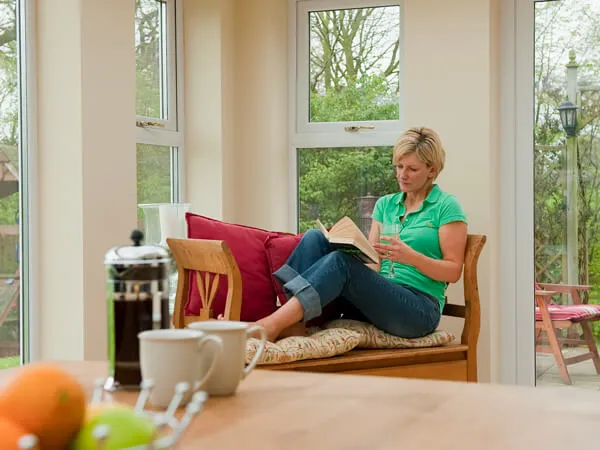
How Does Acoustic Glass Work?
Acoustic glazing reduces noise through a combination of:
- Laminated glass construction
- Sound-absorbing interlayers
- Carefully selected pane thickness
- Purpose-designed glazing configurations
Together, these elements interrupt and weaken sound waves as they travel through the window. In certain specifications, acoustic glass can lower noise levels by up to 40 decibels (dB), depending on fitting and environmental factors.
How Much Noise Can It Reduce?
The exact reduction depends on the glazing setup and the surrounding environment. However, high-performance acoustic glazing can cut external noise by up to 40dB, delivering a noticeable difference in perceived sound levels. For example:
- Road traffic becomes far less intrusive
- Aircraft noise is significantly softened
- Everyday street sounds are reduced
The result is a more peaceful and comfortable living environment.
Benefits of Acoustic Glass from First Class Windows
Acoustic glazing offers advantages beyond sound control:
- Greater Comfort Less external noise supports a more relaxing home atmosphere.
- Increased Security Laminated glass enhances strength and resistance to impact.
- Improved Thermal Performance When combined with quality double or triple glazing, acoustic glass contributes to better insulation.
- UV Reduction The interlayer helps limit UV exposure, reducing the risk of furniture fading.
Is Acoustic Glass Suitable for Your Property?
Acoustic glazing is particularly effective for homes located:
- Close to busy roads
- Near railways
- Under flight paths
- In built-up urban areas
- Adjacent to schools or commercial zones
If outside noise frequently affects your comfort, upgrading your glazing can make a substantial difference.

Acoustic Glass Compared to Standard Double Glazing
While conventional double glazing offers some sound reduction, it is not specifically designed for high noise environments.
- Acoustic glass differs by:
- Using laminated panes
- Including sound-dampening layers
- Being purpose-built for noise control
For properties exposed to higher levels of sound, acoustic glazing provides improved performance.

Can It Be Used in Double or Triple Glazing?
Yes. Acoustic glass can be incorporated into both double and triple glazed units. When combined with insulated frames and professional installation, it delivers:
- Effective noise reduction
- Strong thermal insulation
- Enhanced security
This makes it a versatile upgrade for homeowners seeking multiple benefits.
The Importance of Professional Installation
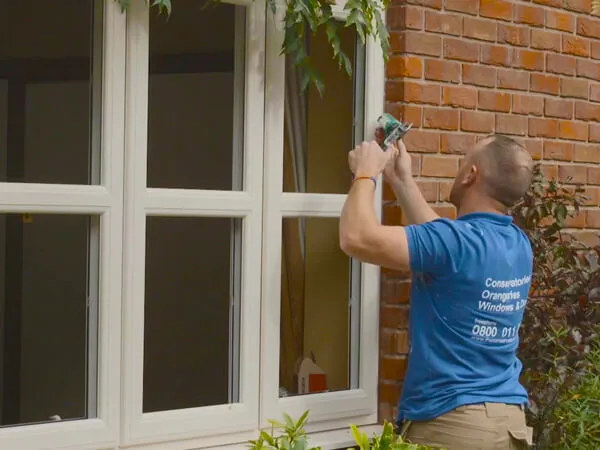
Correct fitting is essential for achieving maximum performance. Frame quality, sealing and accurate installation all influence sound reduction results.
First Class Windows ensures acoustic glazing systems are manufactured and installed to high standards to deliver reliable noise control.
Frequently Asked Questions On Acoustic Glazing
If you’re considering acoustic glass, you probably want clear answers before making a decision. Homeowners often ask how much noise it can reduce, whether it improves energy efficiency, and how it compares to standard double glazing.
How effective is acoustic glass?
Depending on specification and installation, it can reduce external noise by up to 40dB.
Does acoustic glass improve energy efficiency?
Yes. When combined with modern glazing systems, it supports improved insulation.
Is acoustic glass thicker than standard glass?
It can be. Laminated construction and varied pane thickness help optimise sound reduction.
Can it be fitted to existing windows?
For best results, acoustic glass is typically installed within a new replacement window unit.
Request your Free Quote
Simply fill in your details for your free, no obligation quotation, and click "Get Quote"