
Flush Windows: uPVC & Aluminium Options Compared
Request Your Free Window Quote
Simply fill in your details for your free, no obligation quotation
Q1. What is a flush window and how is it different from standard casements?
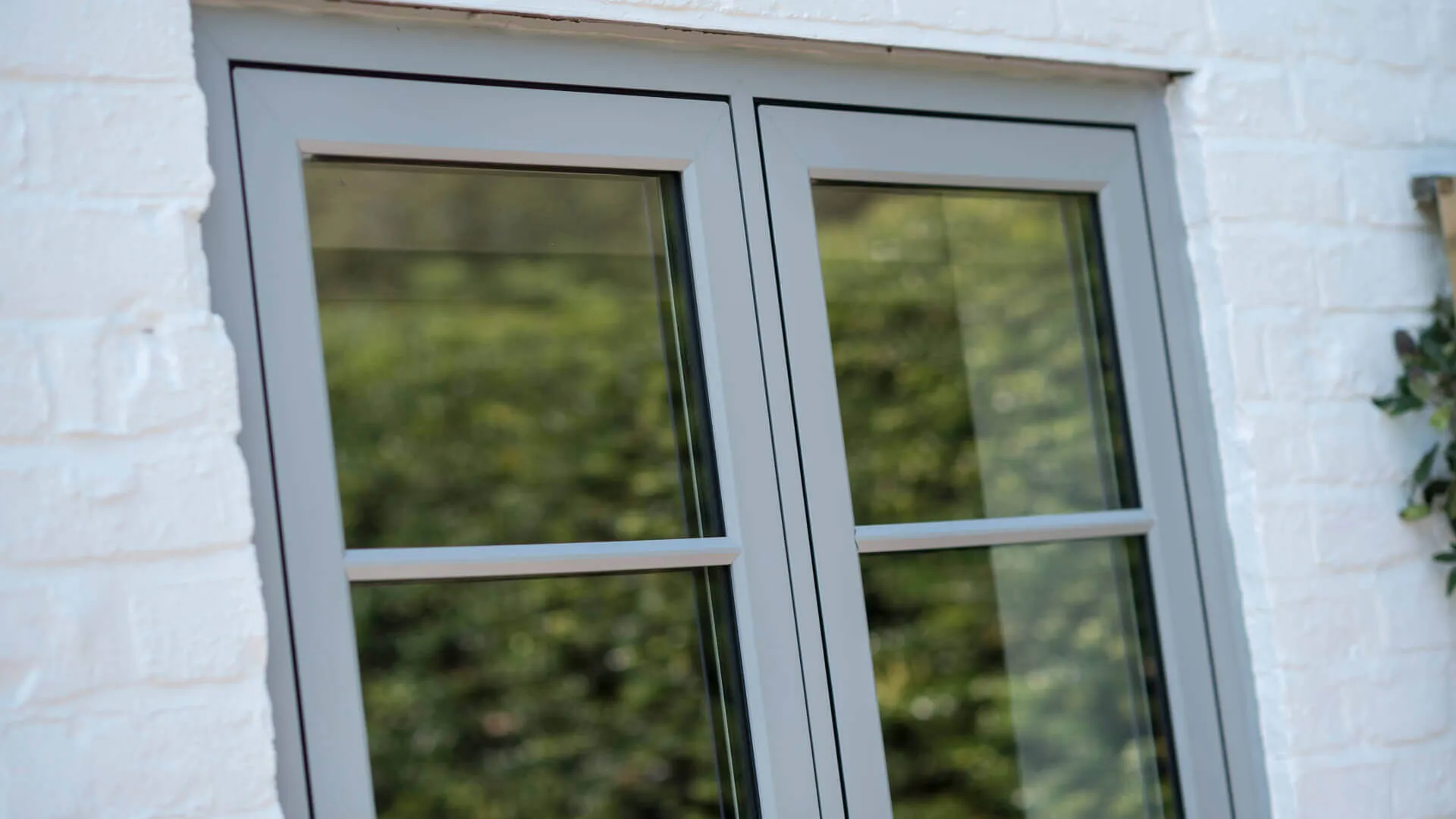
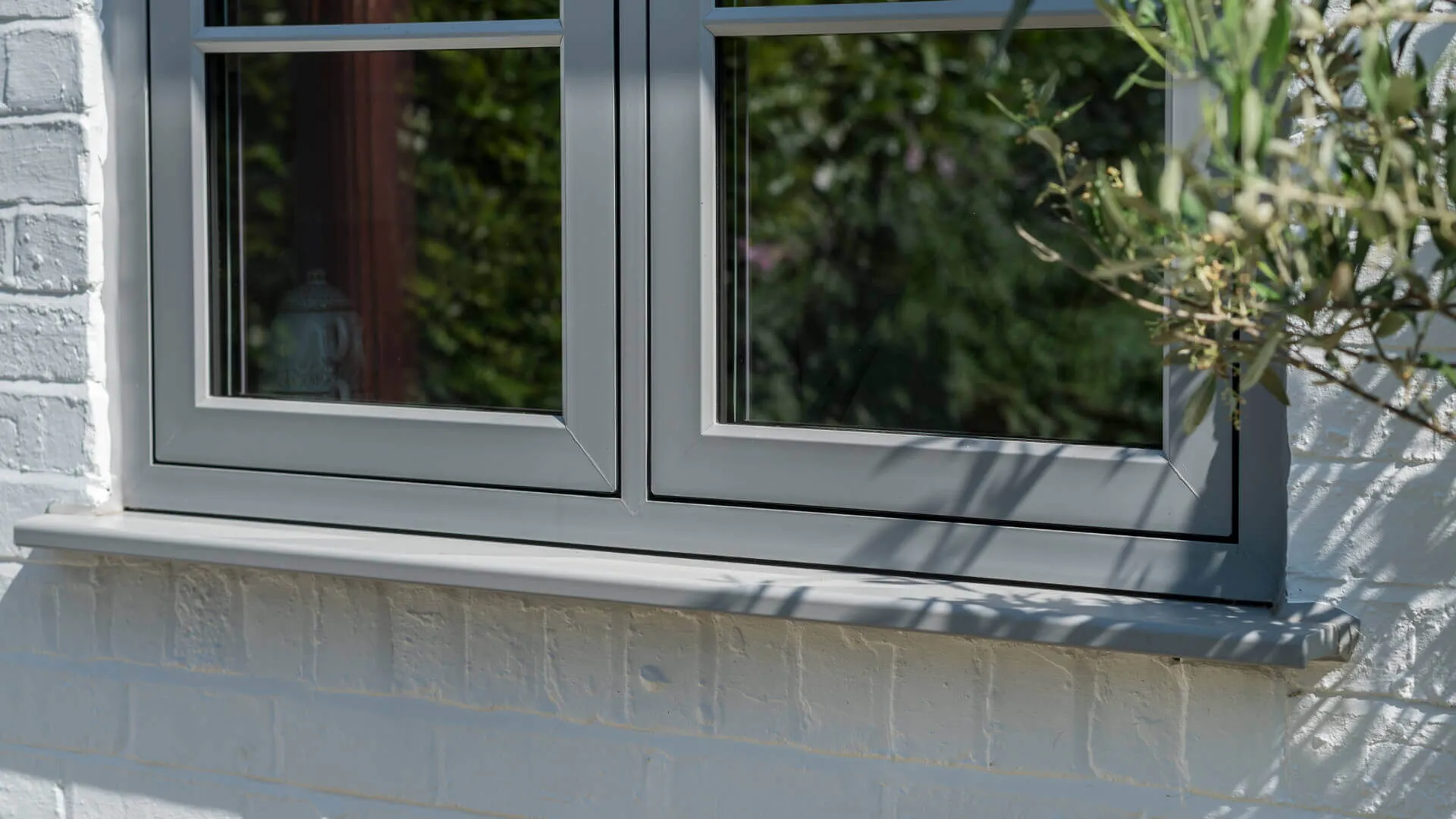
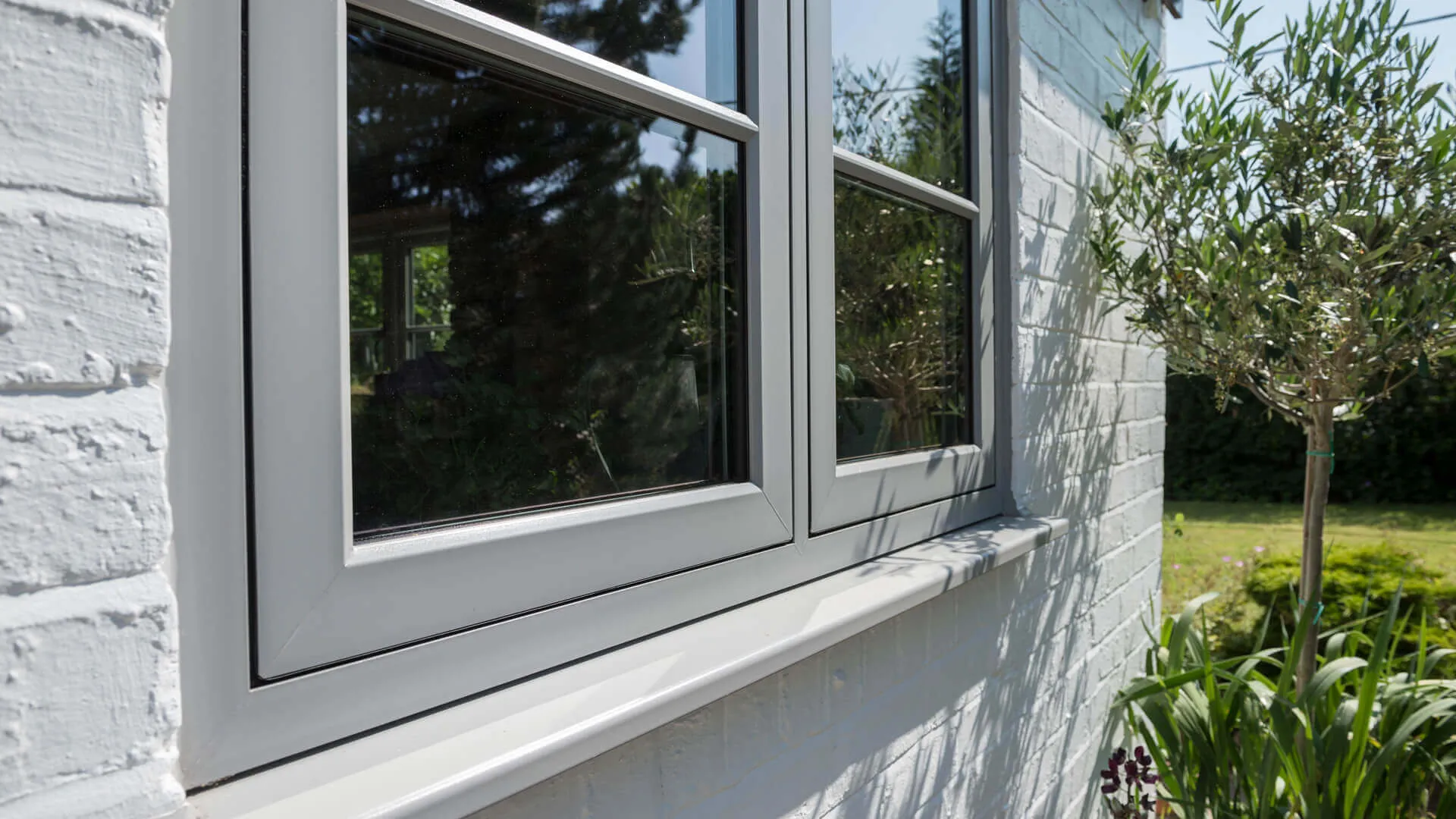
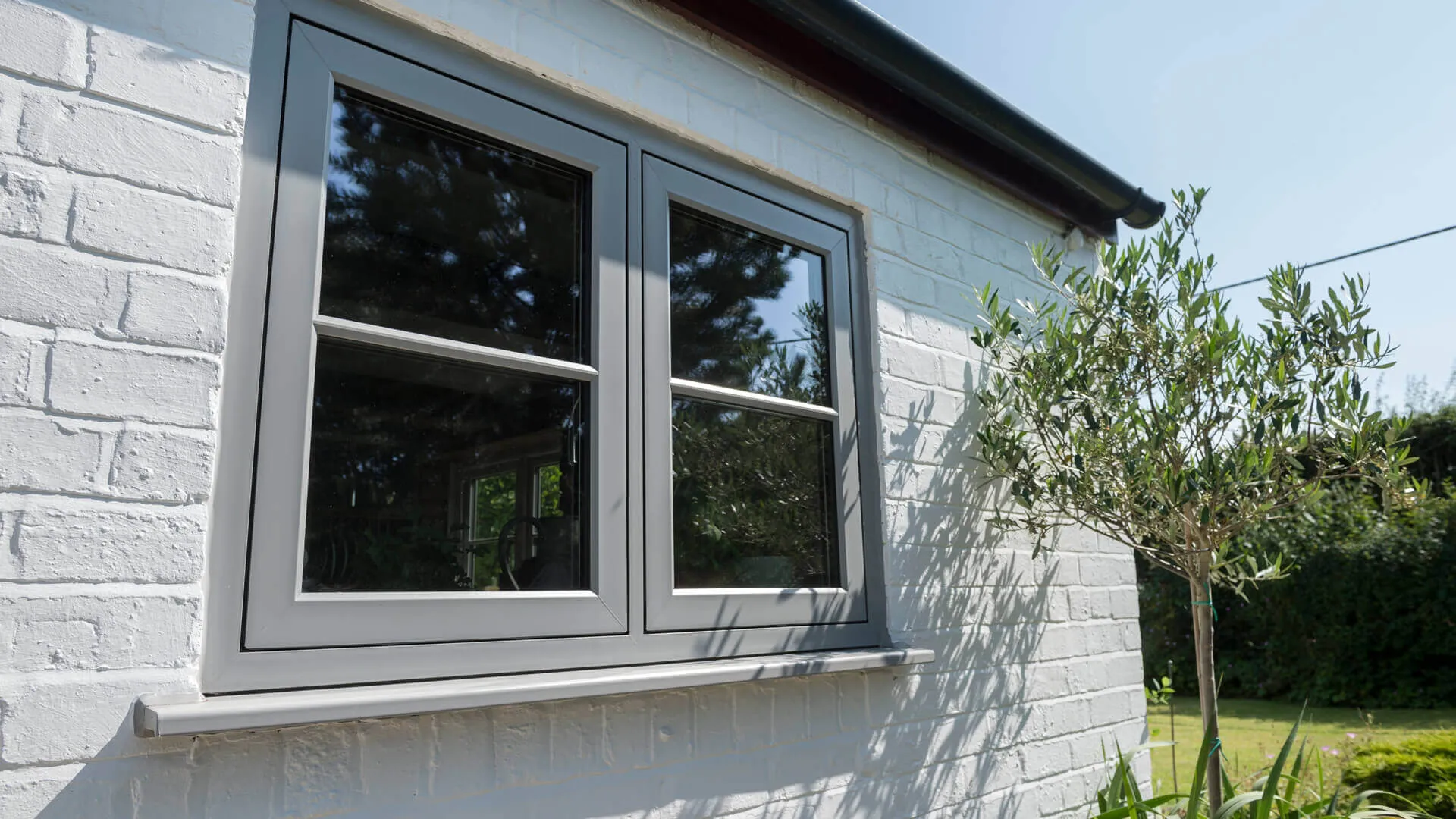
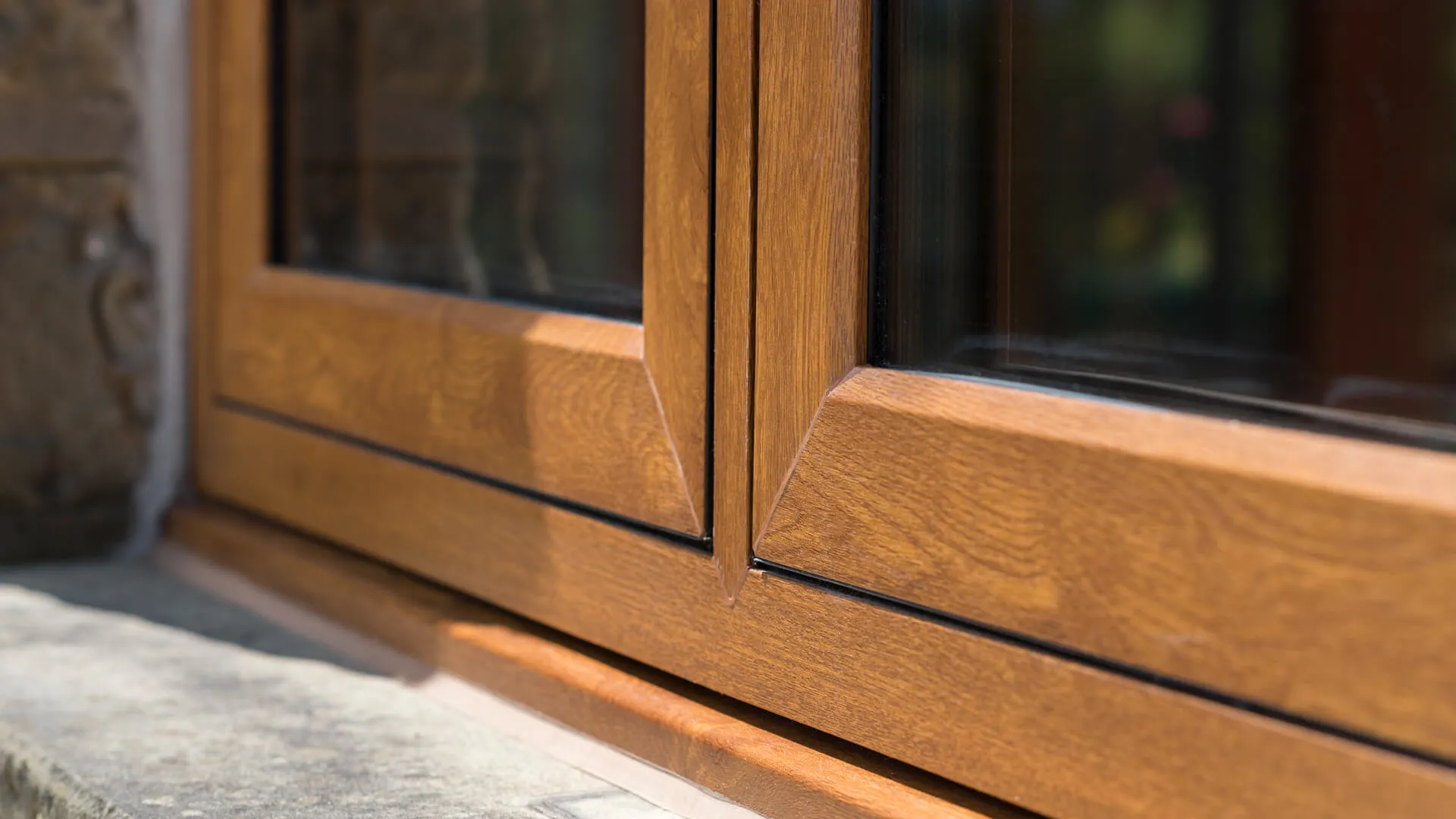
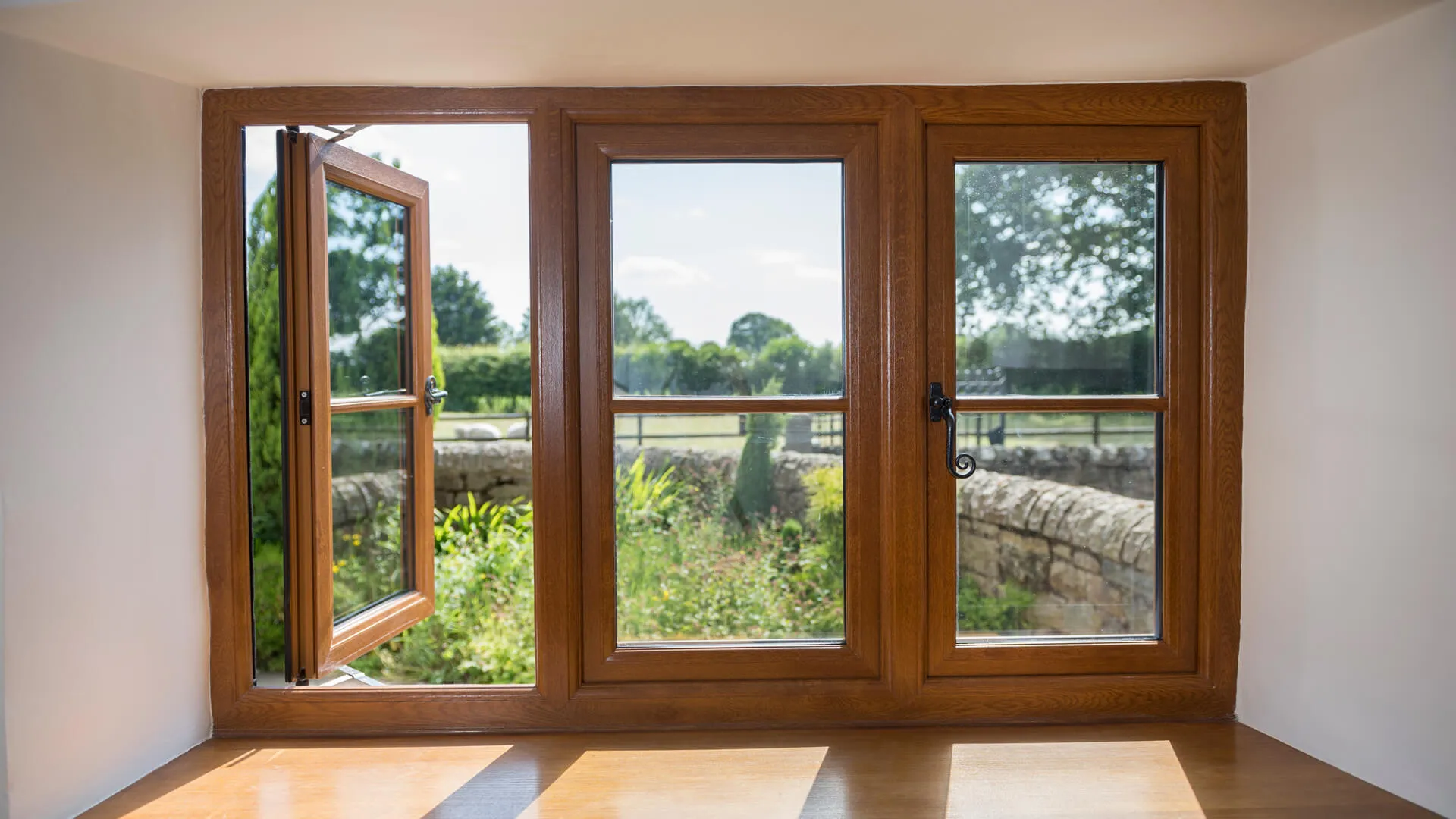
Flush windows have a sash (the bit that moves) that sits dead level within a frame on closing, resulting in a flat, sleek finish. Standard casement windows contain a sash that ever so slightly protrudes outwardly from the frame.
Q2: uPVC or aluminium material for flush windows?
For the most affordable option, select UPVC, which insulates extremely well and requires minimal maintenance. Aluminium may be a bit more costly, but it exudes class, possesses greater strength, provides a slimmer profile, and holds more glass.
Q3: Are flush windows energy efficient and what are their U-values like?
Flush windows are very energy efficient when they incorporate double glazing and have excellent sealing. Double glazed windows in the flush style can achieve U-values of around 1.2–1.4 W/m²K, although it’s not beyond the realms of possibility for flush window U-values as low as 0.8 W/m²K to be reached.
Q4: Are flush windows suitable for conservation areas and listed buildings?
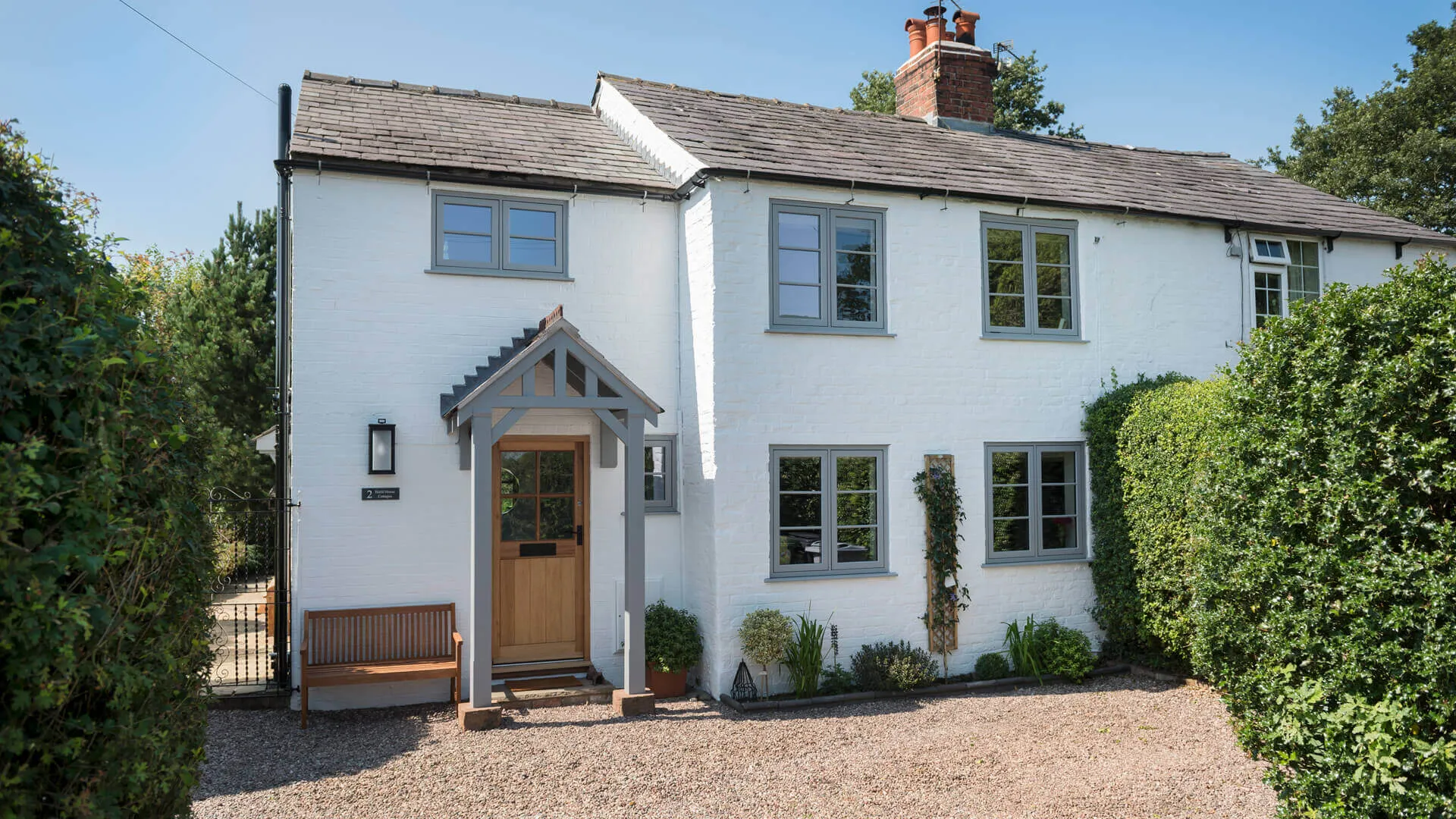
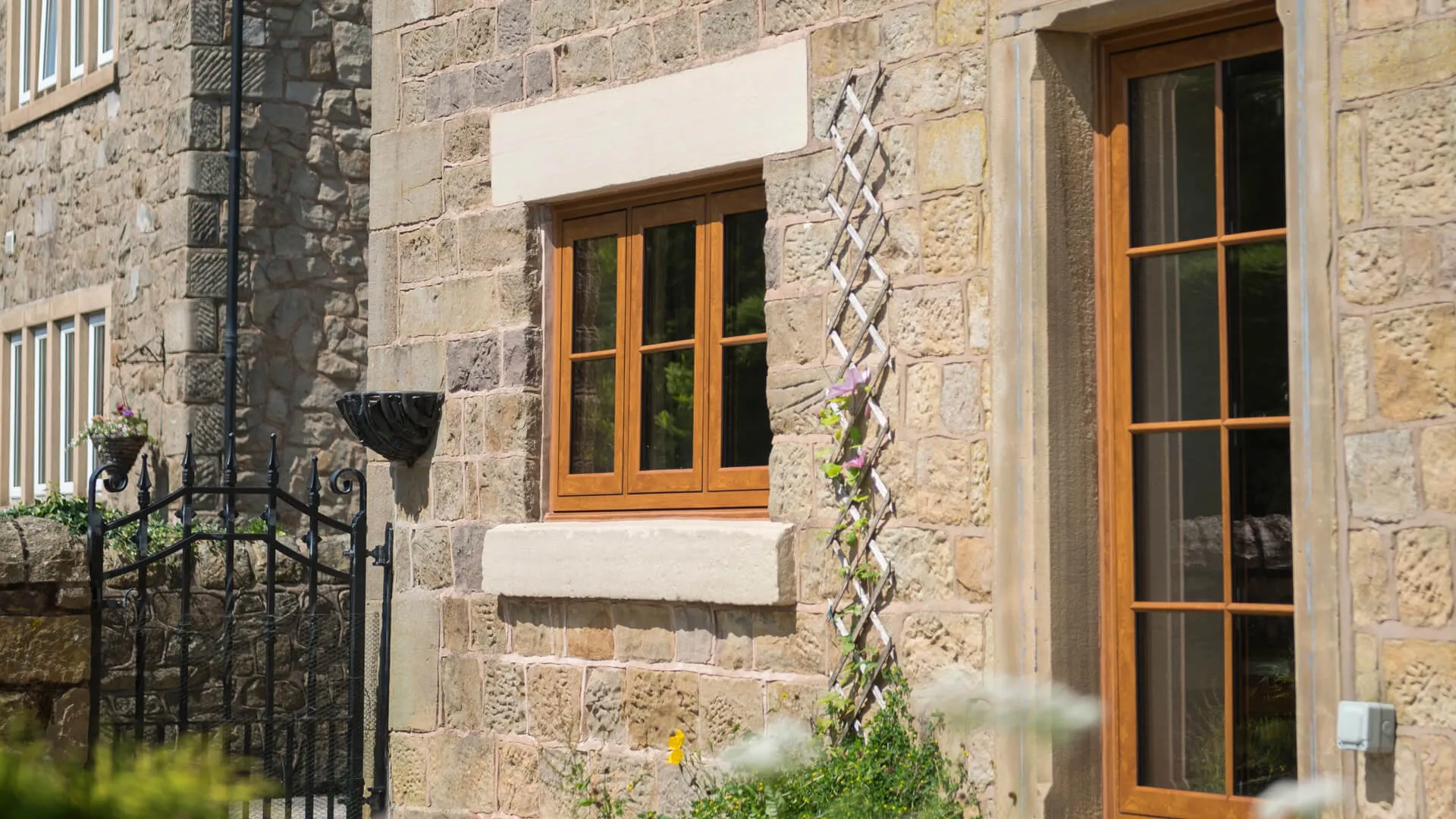
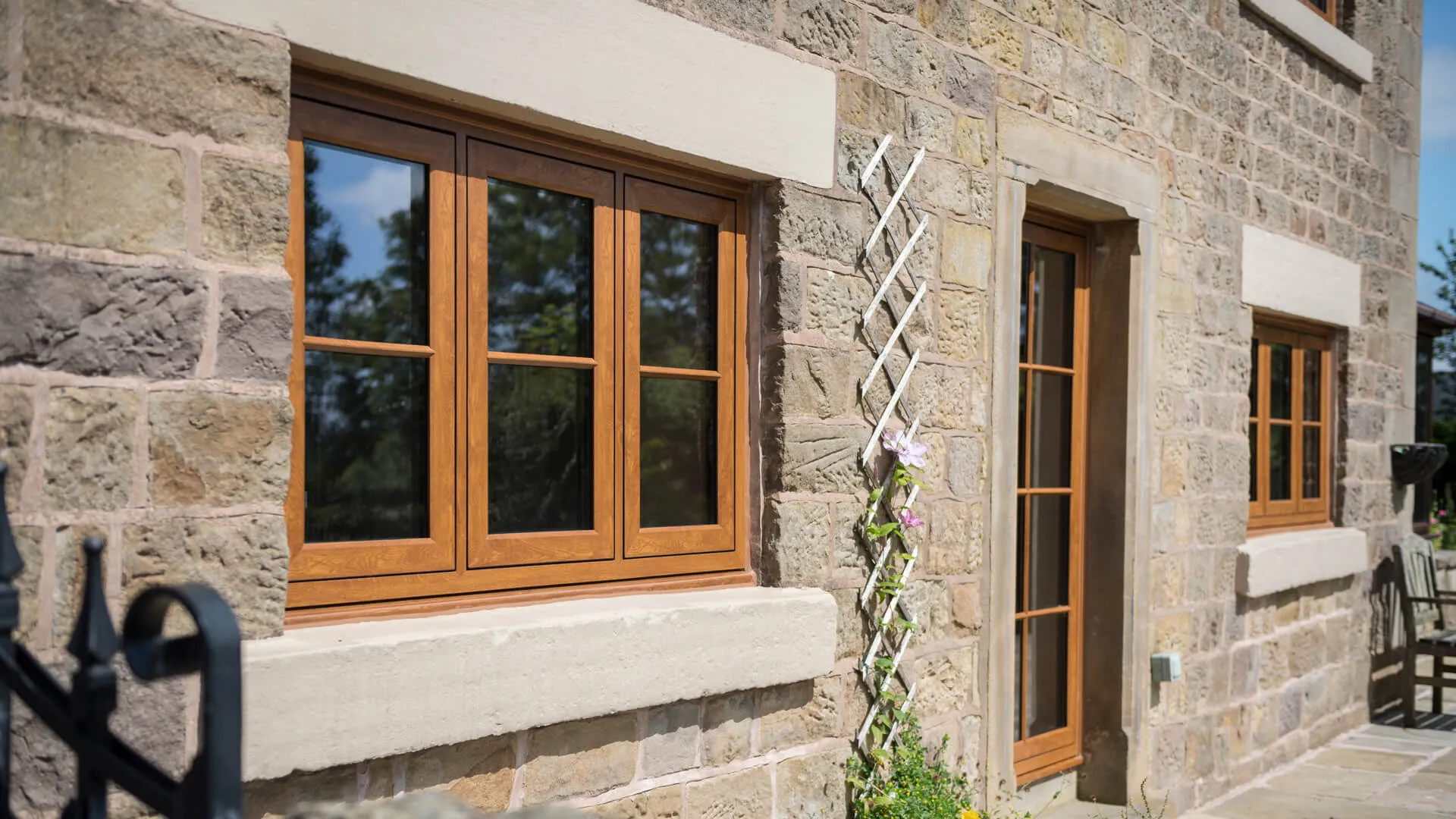
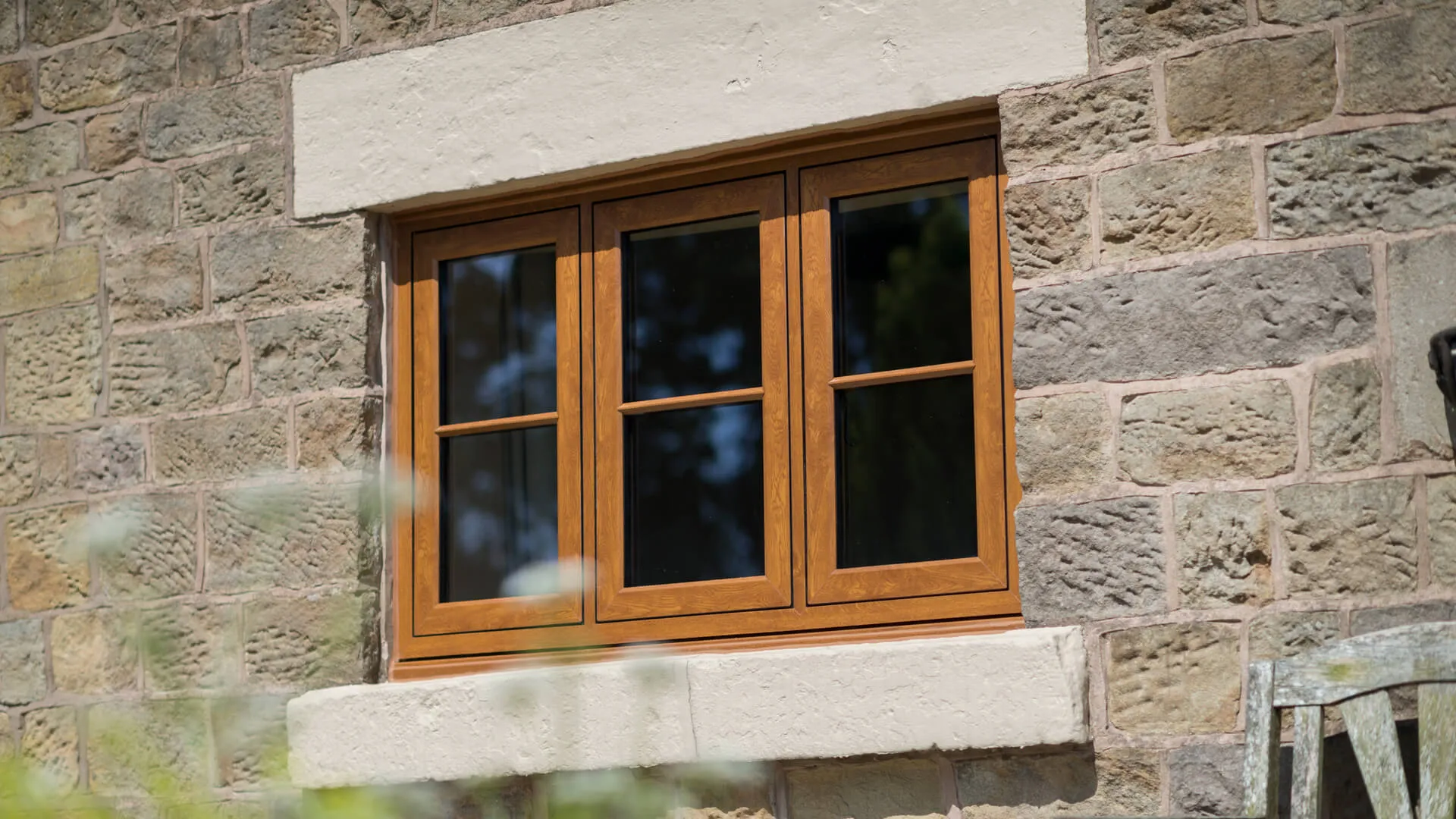
Planners tend to accept use of energy-efficient flush windows as replacements for old windows in heritage properties, listed buildings and conservation areas as they recognise how alike they are to traditional timber windows in appearance.
What Are Flush Windows?
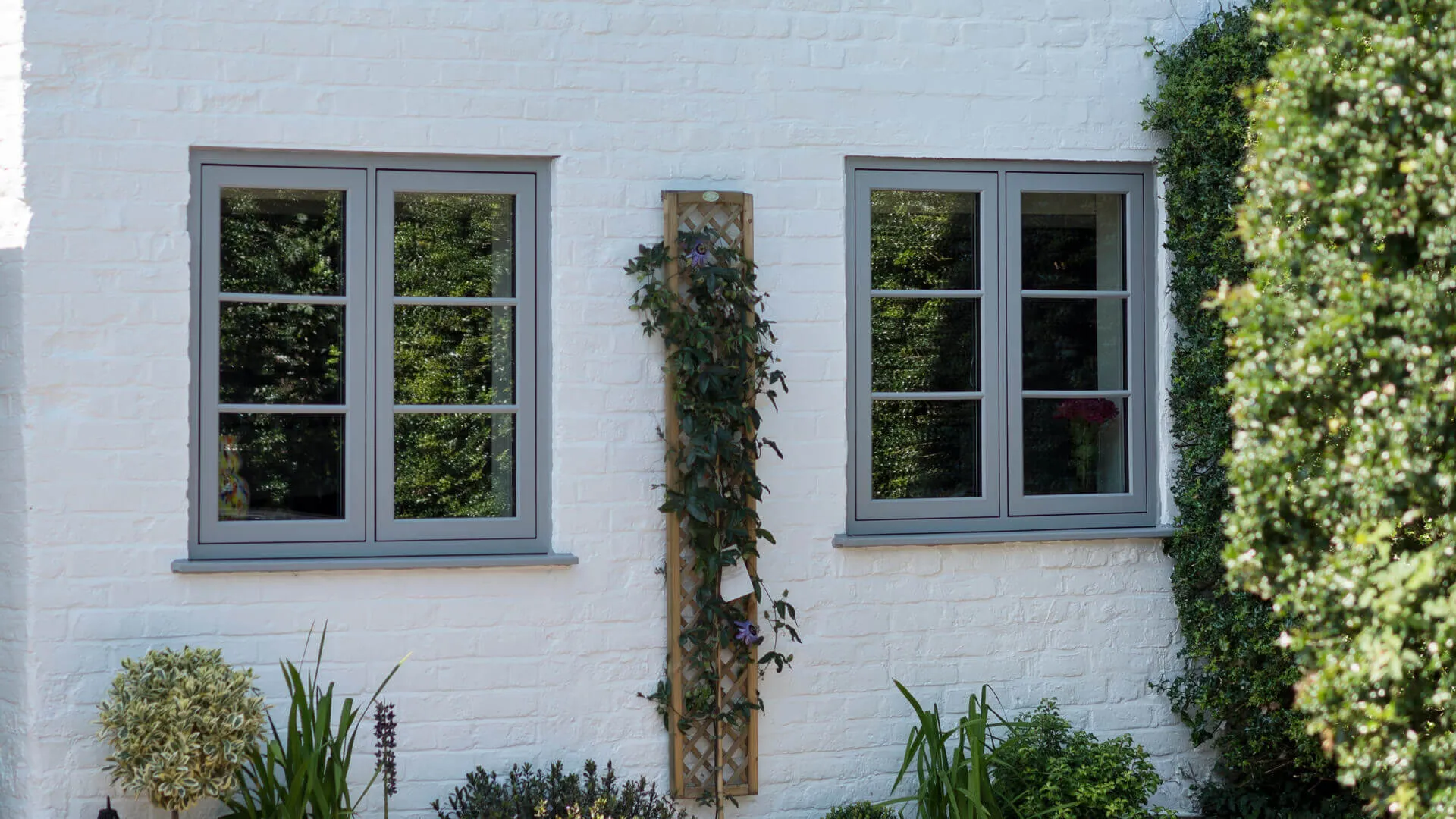
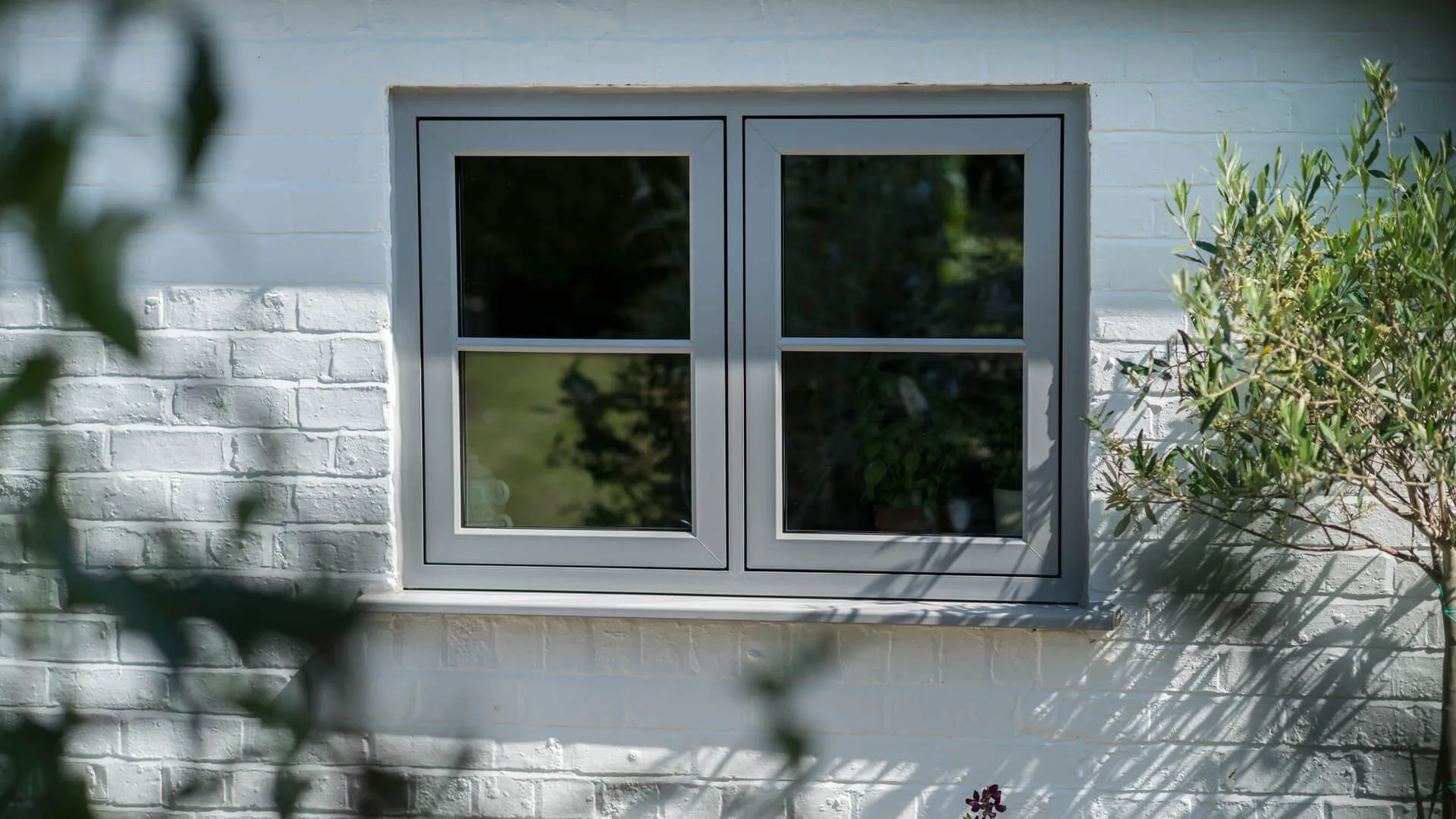
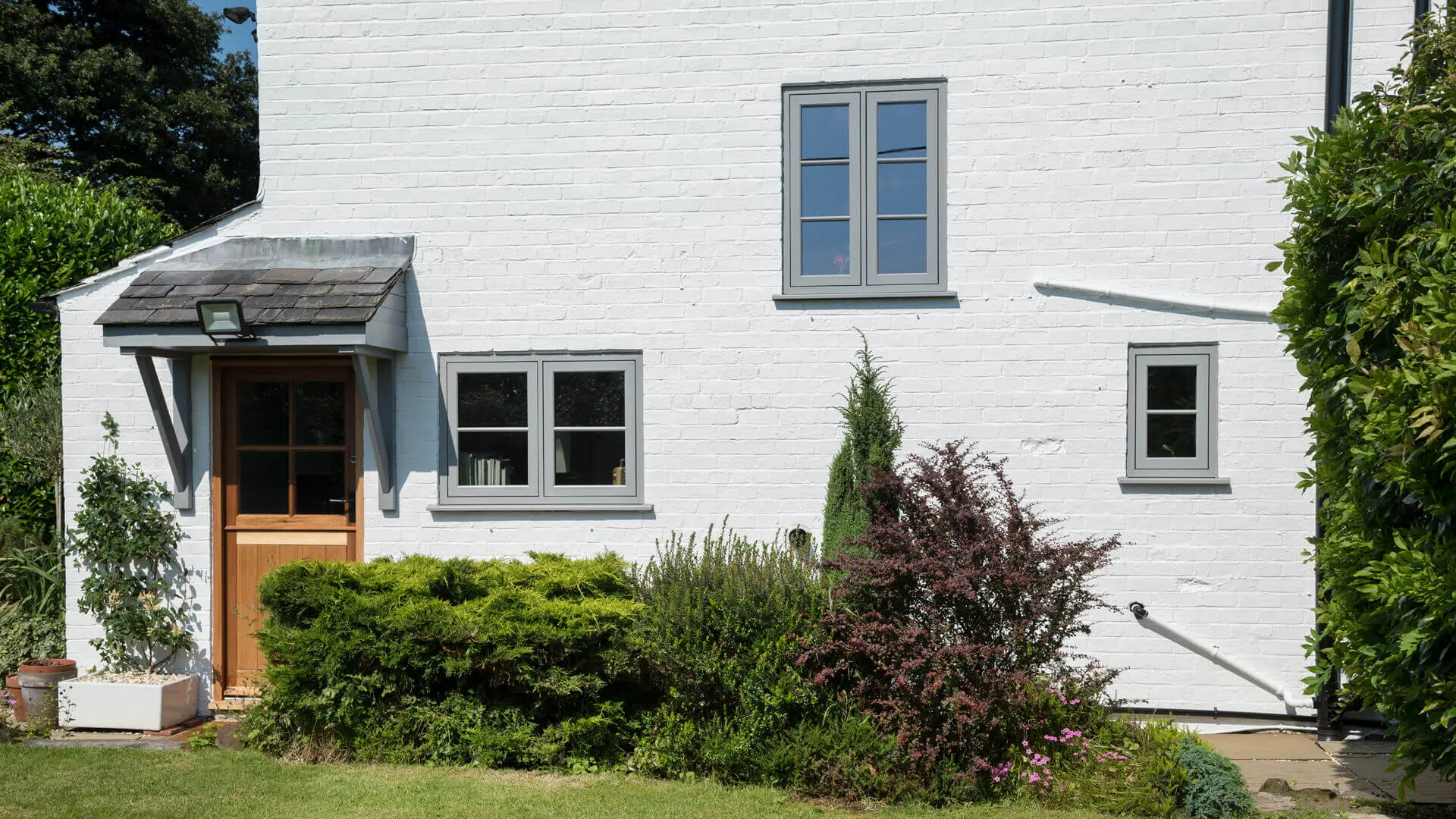
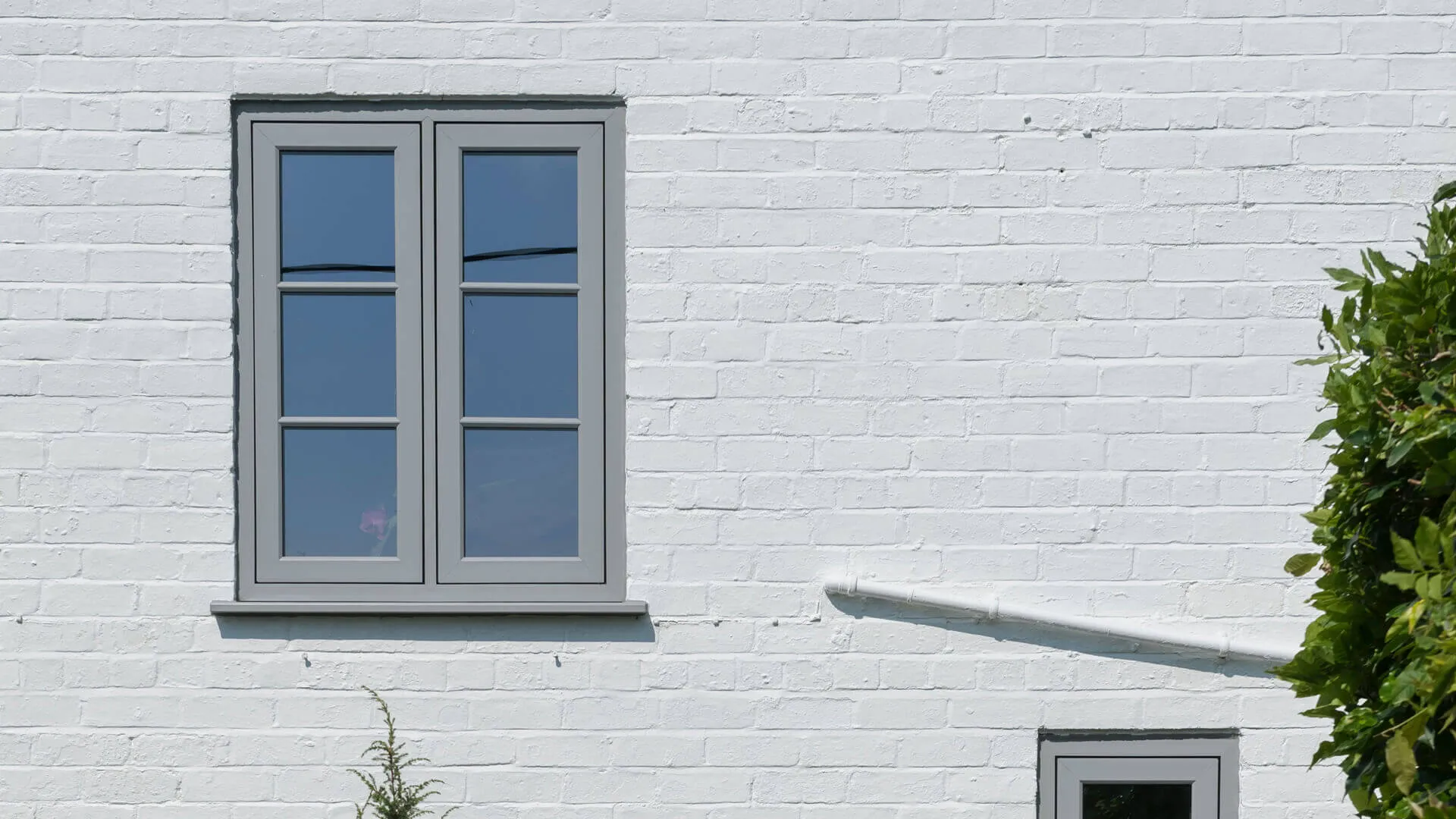
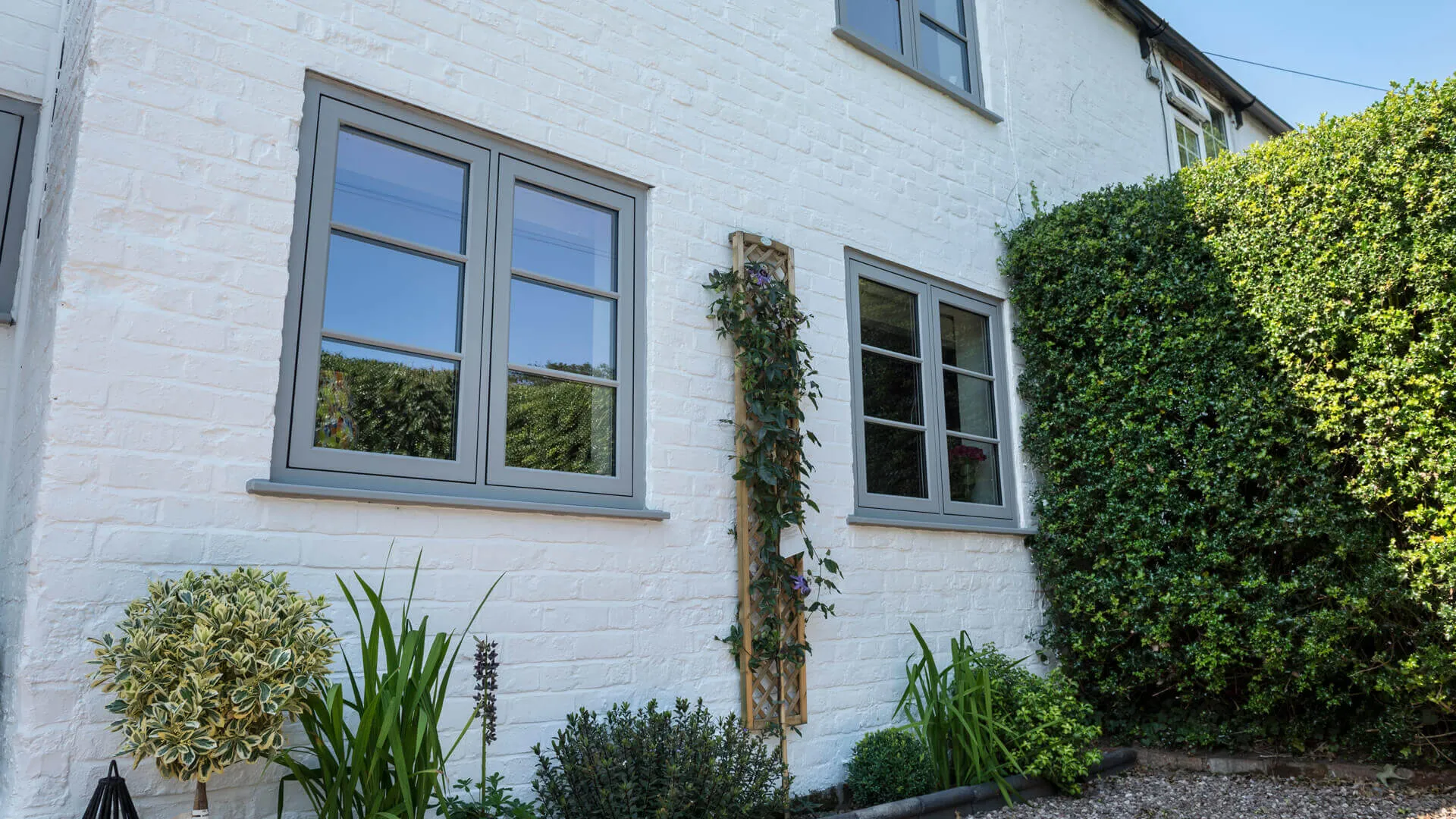
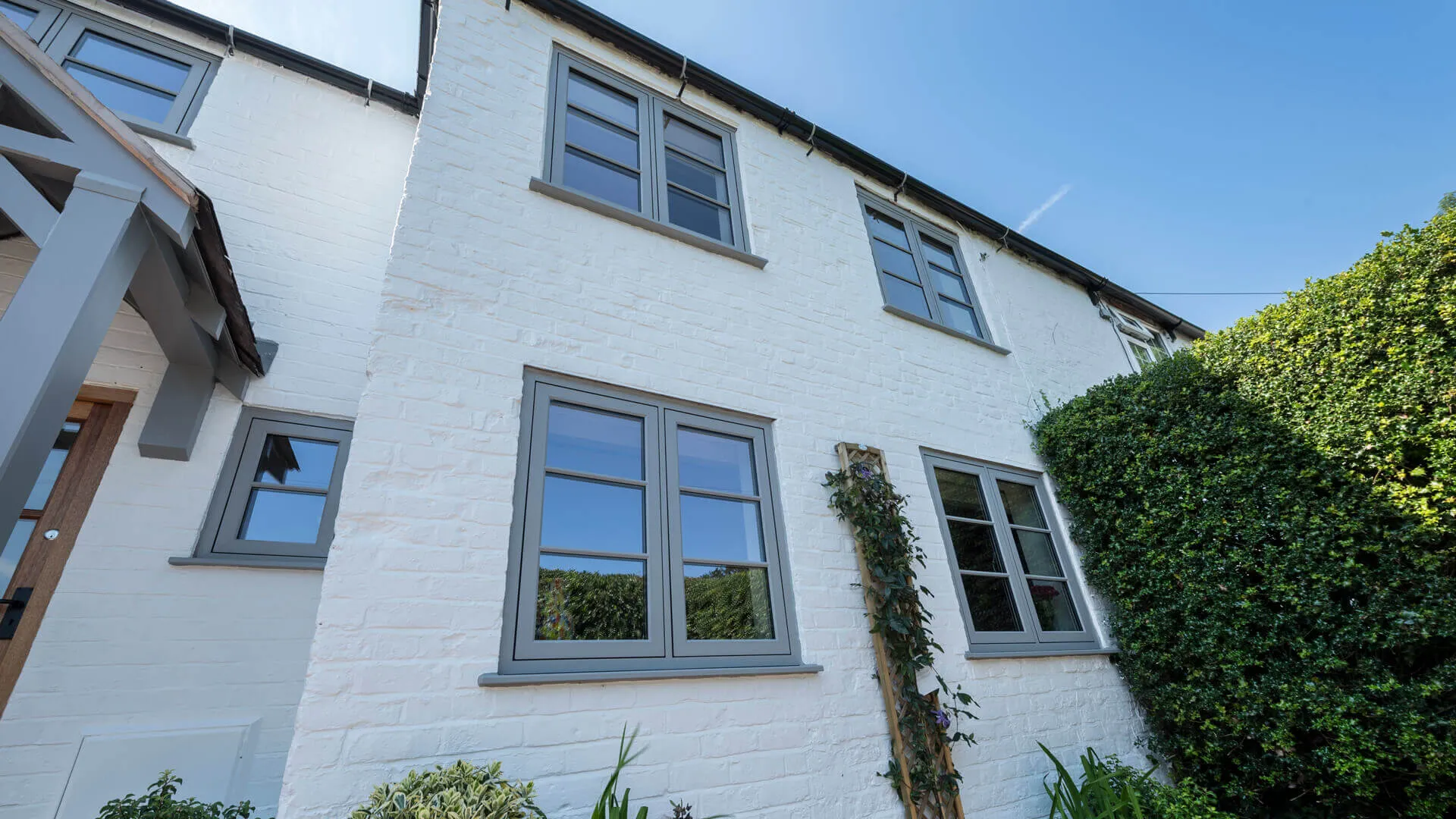
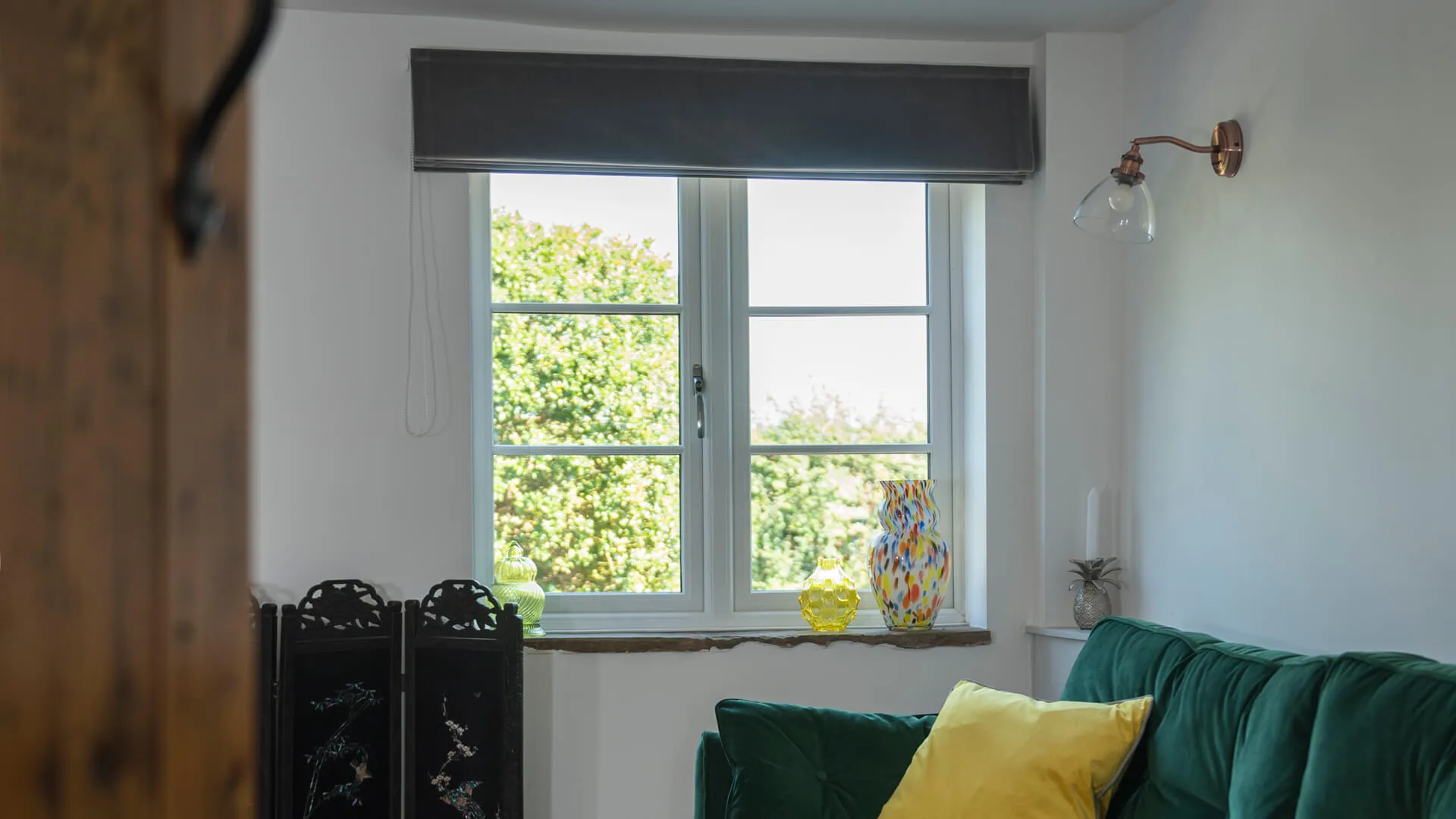
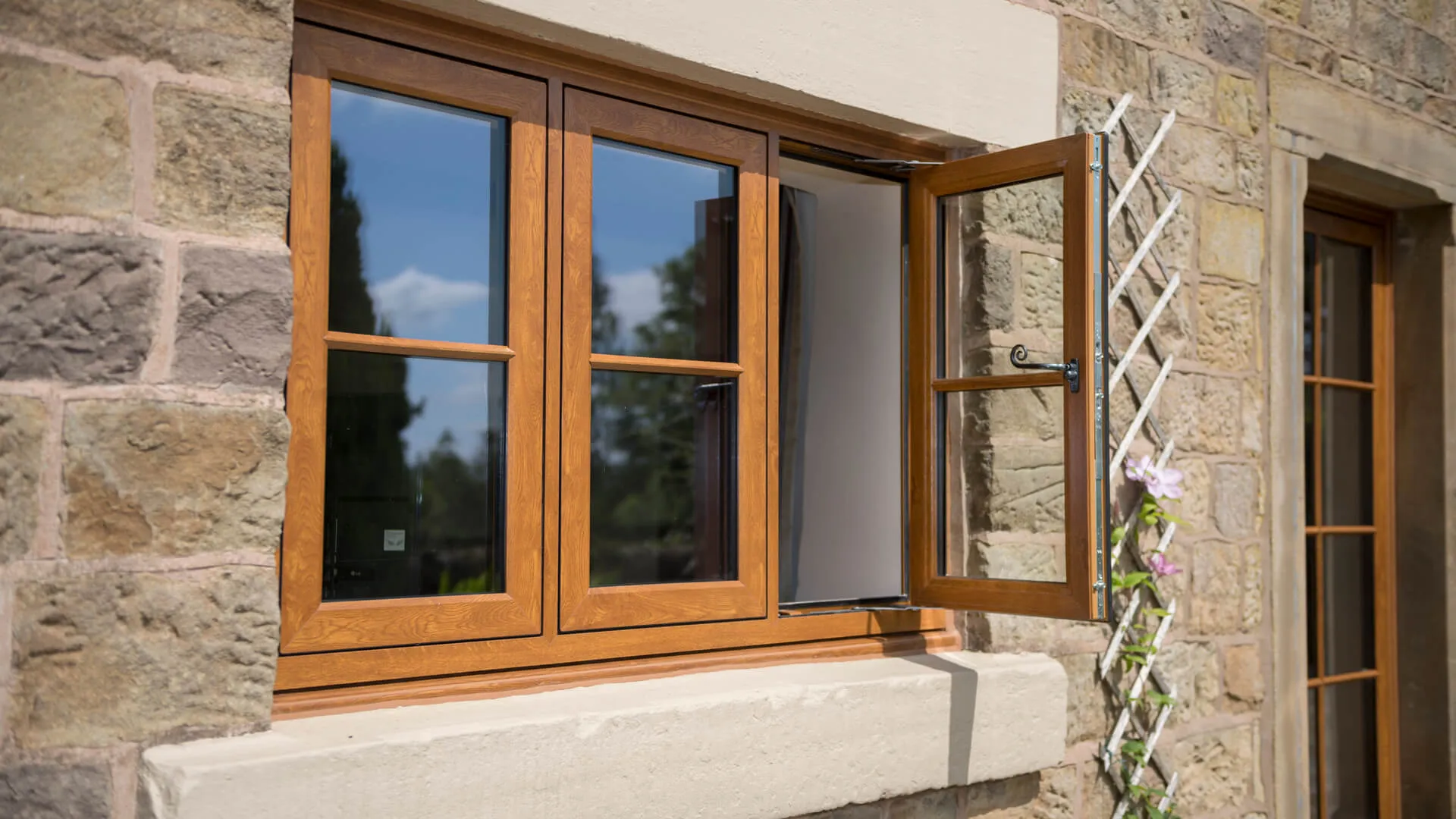
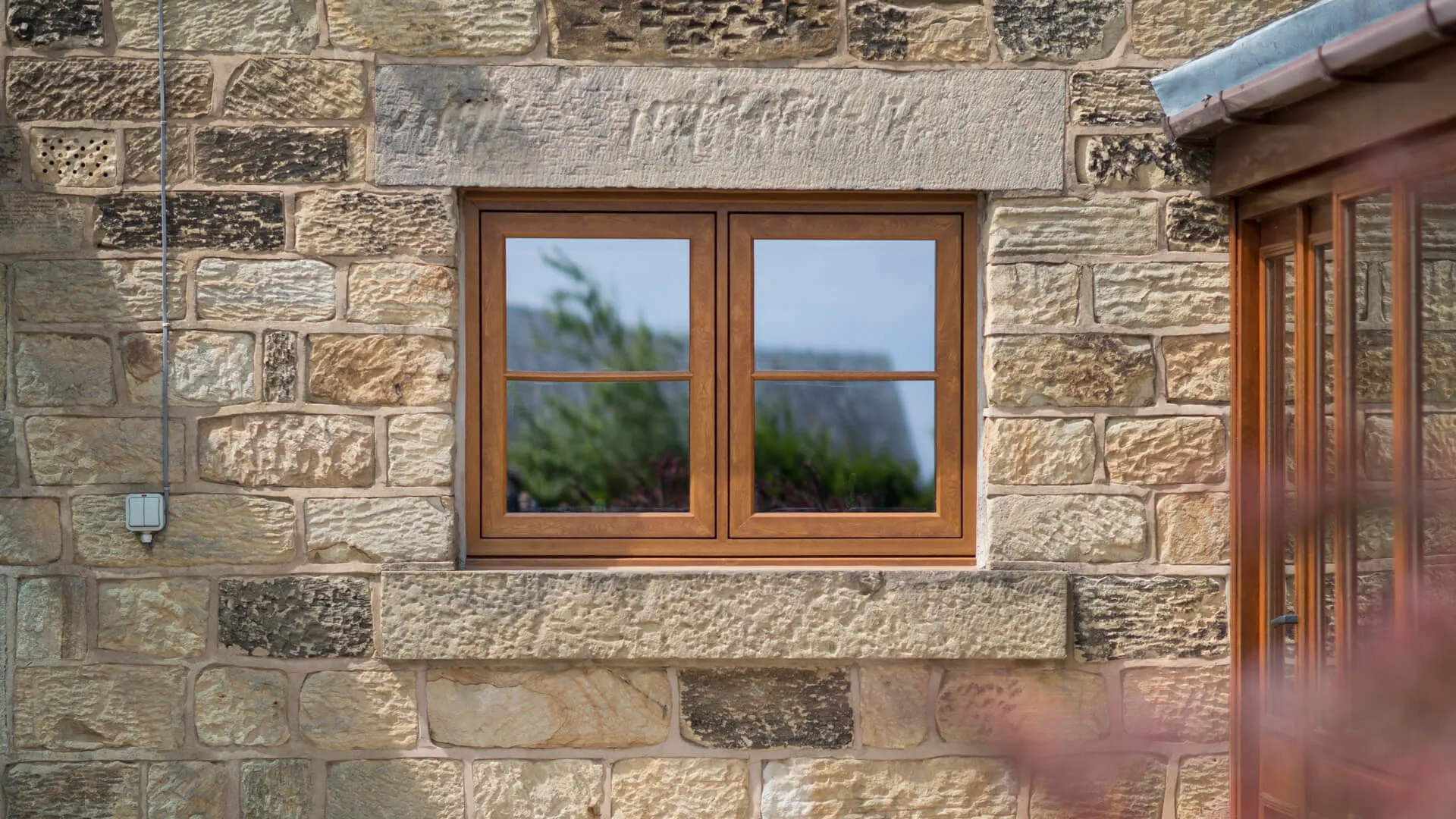
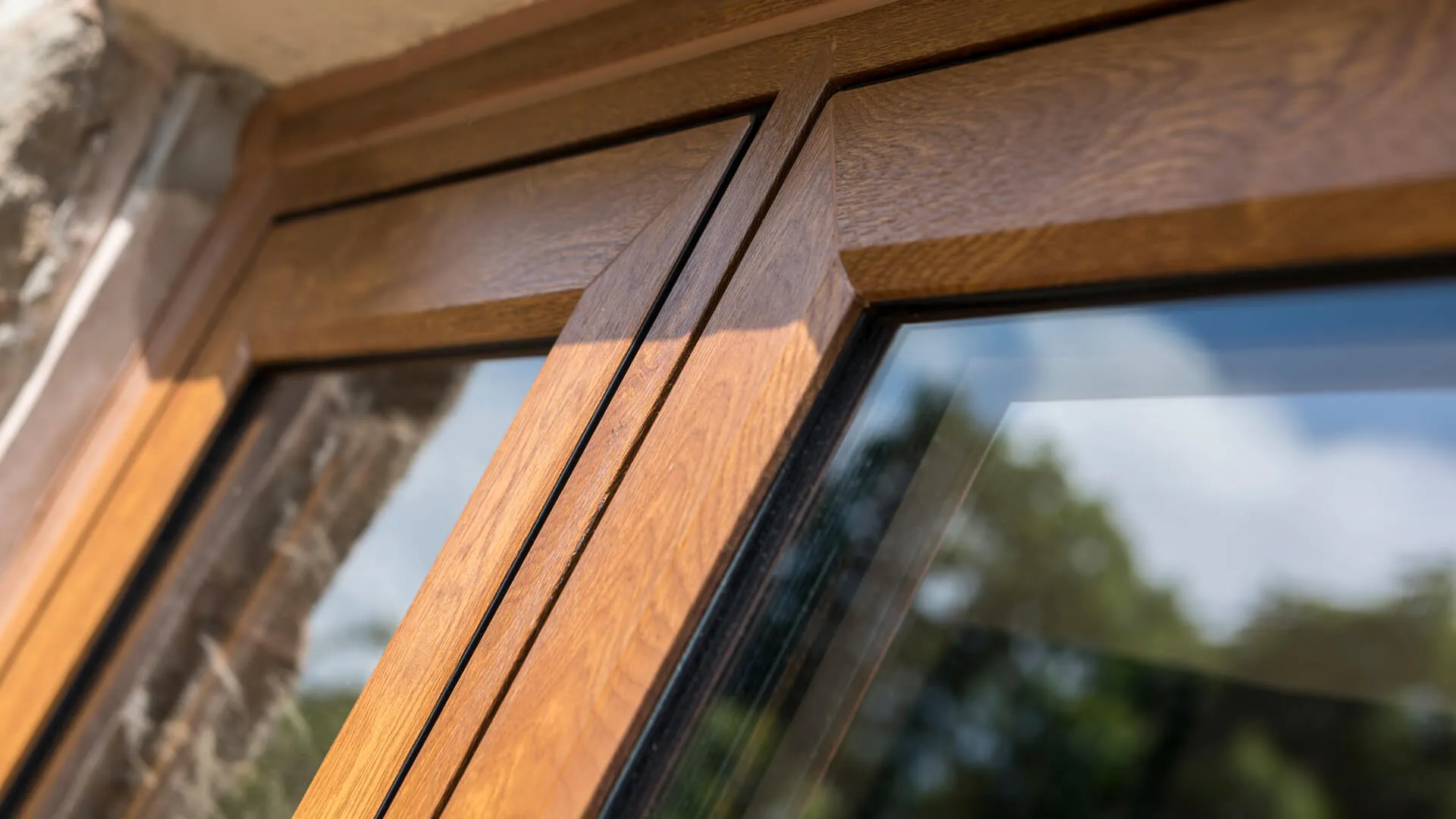
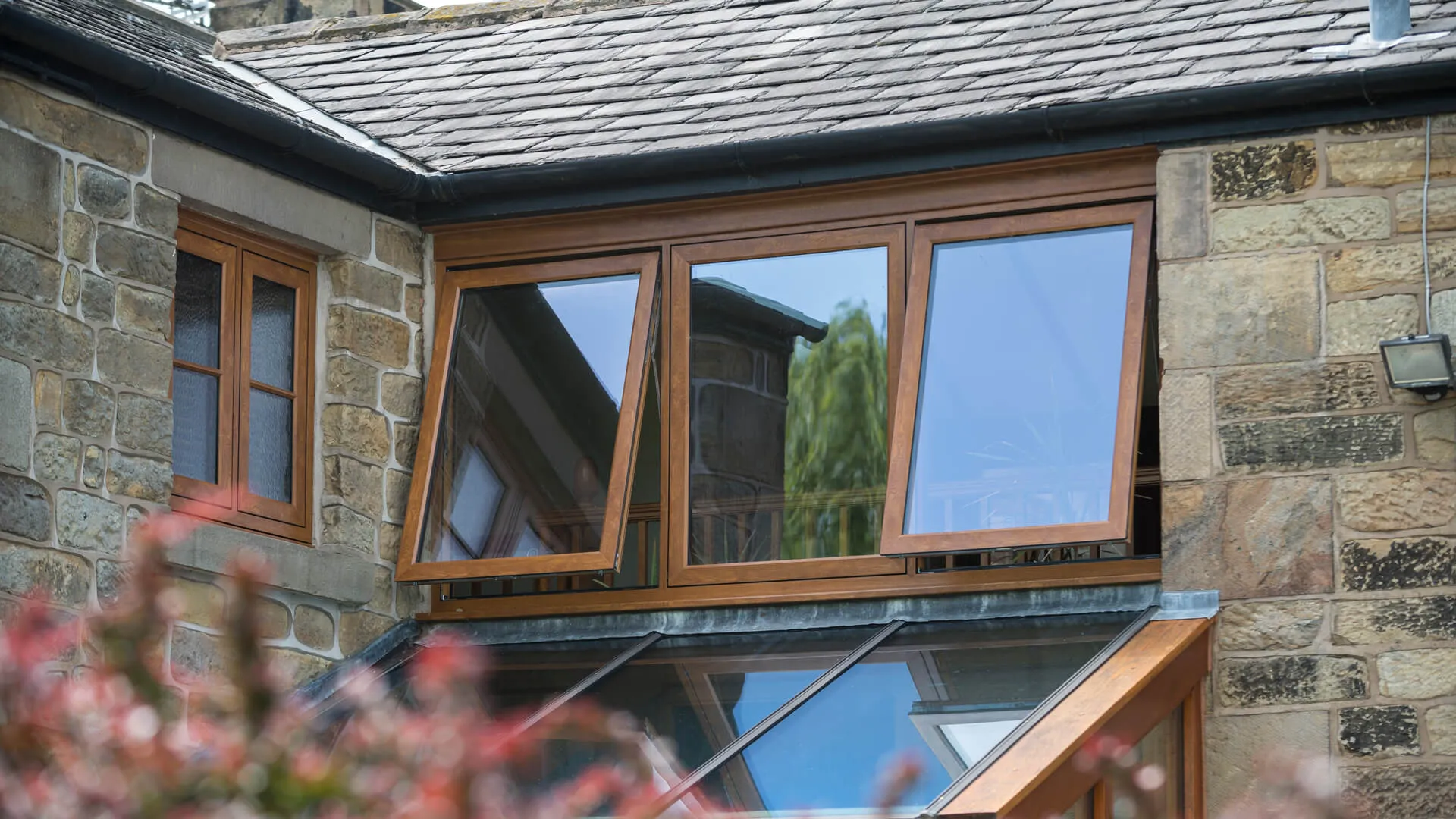
A flush window lies entirely flat against a wall and in doing so, exhibits a stunning aesthetic. In contrast to stormproof or lipped casement windows, flush casements and flush sash windows have frames that don’t project beyond the glass area, resulting in the neatest of finishes. In simpler terms, a flush casement window has a sash that sits completely flat within a frame, allowing for no overlap, and it’s the same with flush sash and flush fit windows. Flat-to-frame designs are so enticing and rising sales volumes of flush frame windows evidence this.
Flush Casement Windows Explained
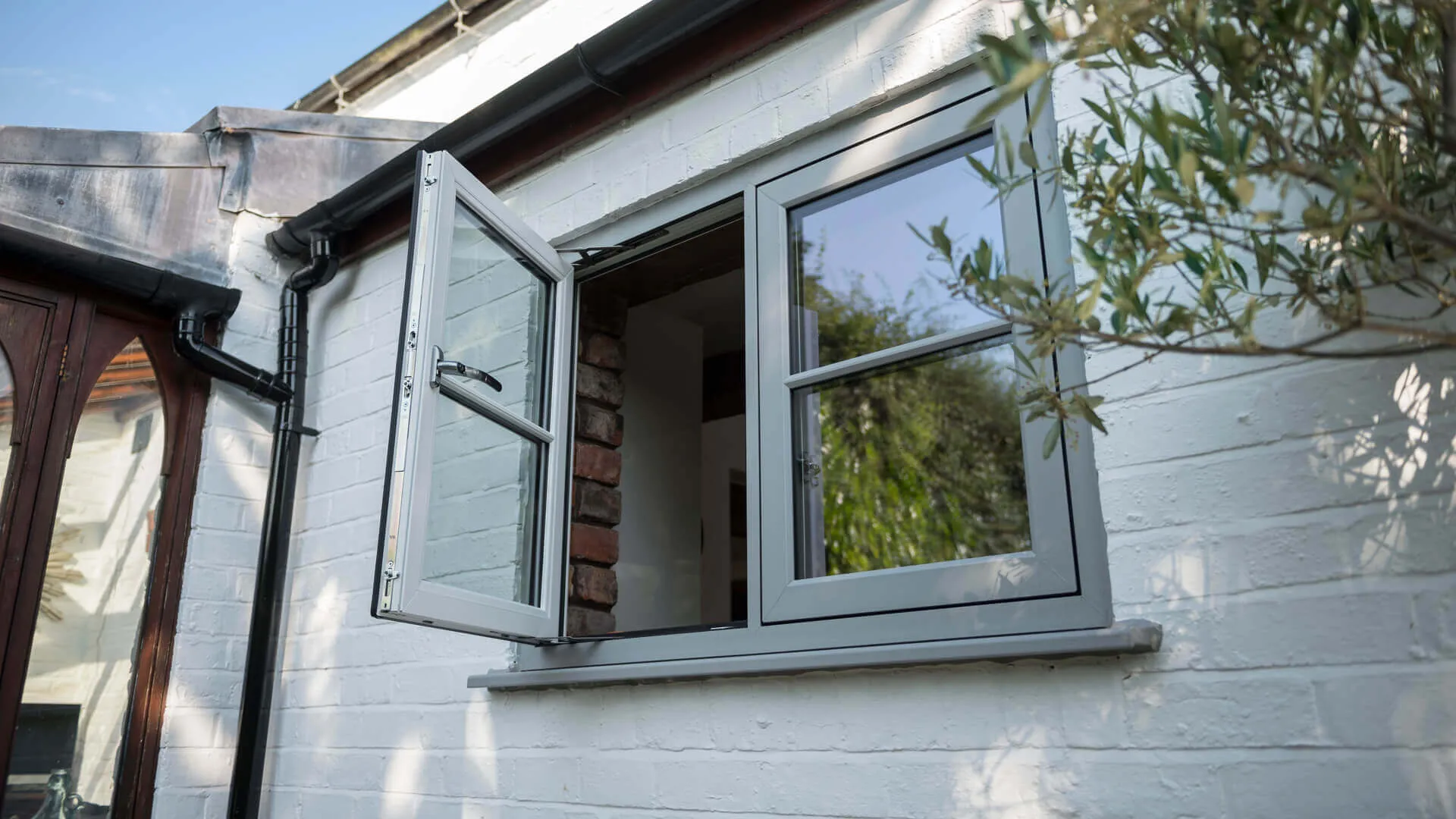
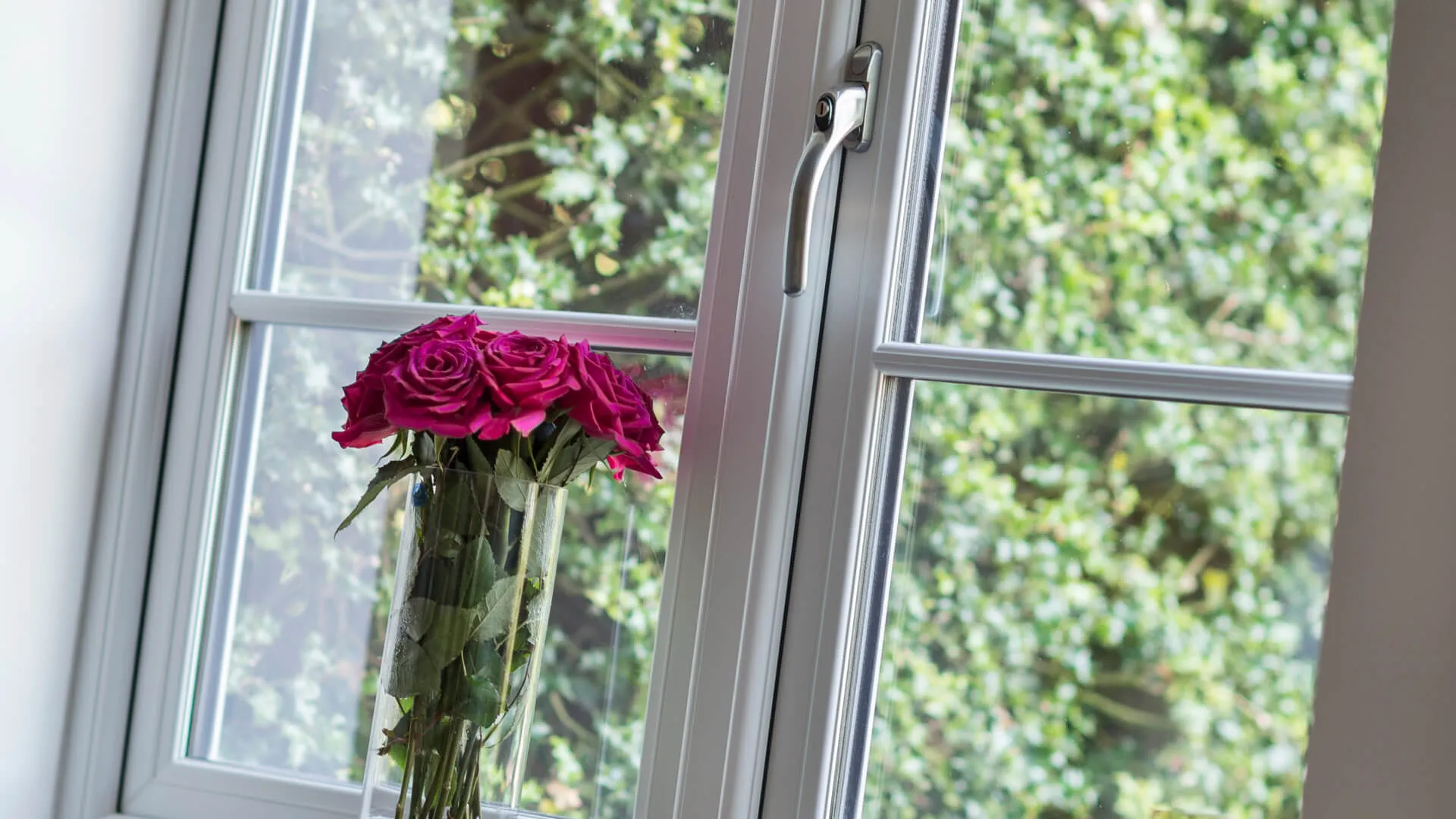
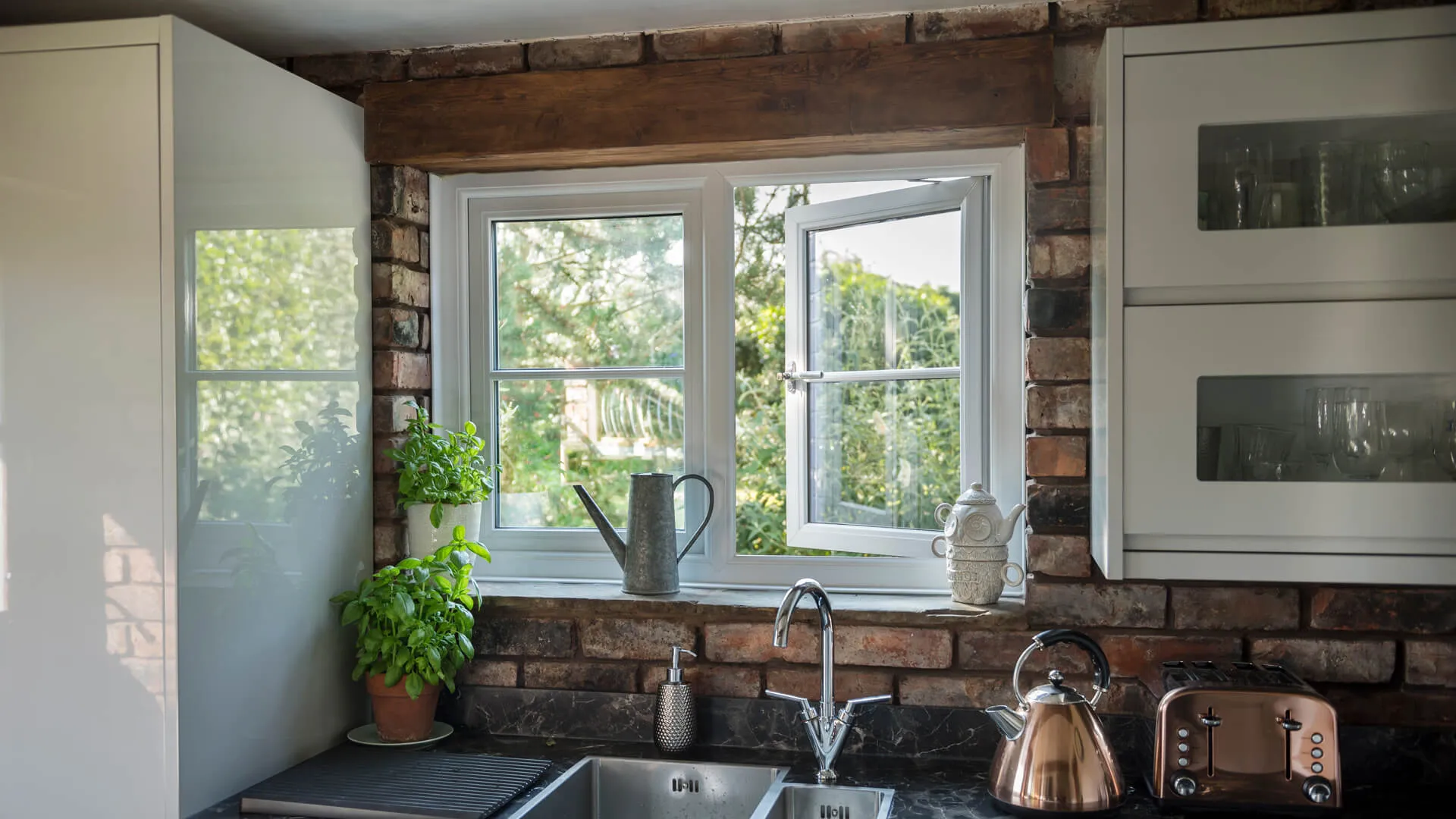
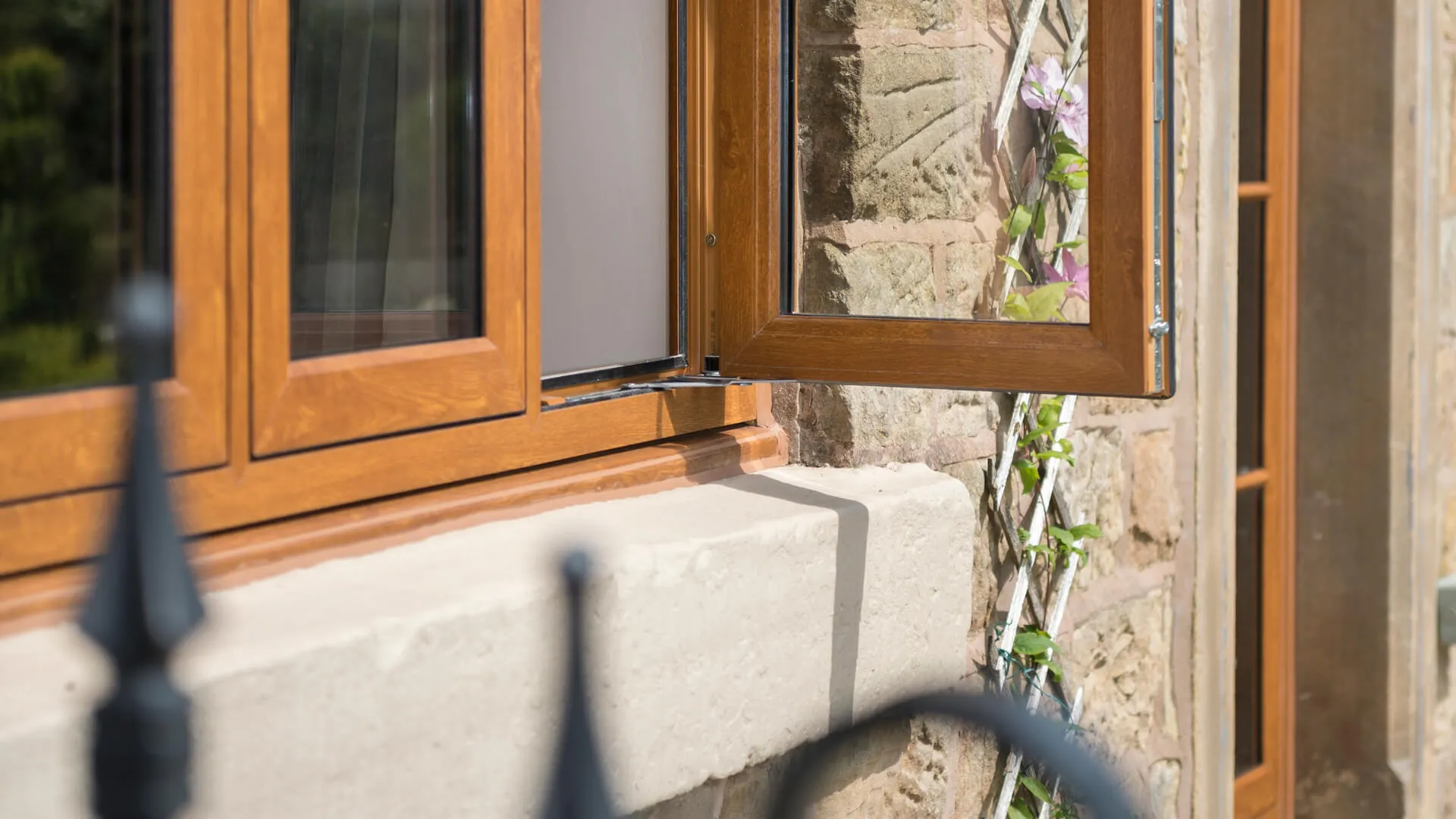
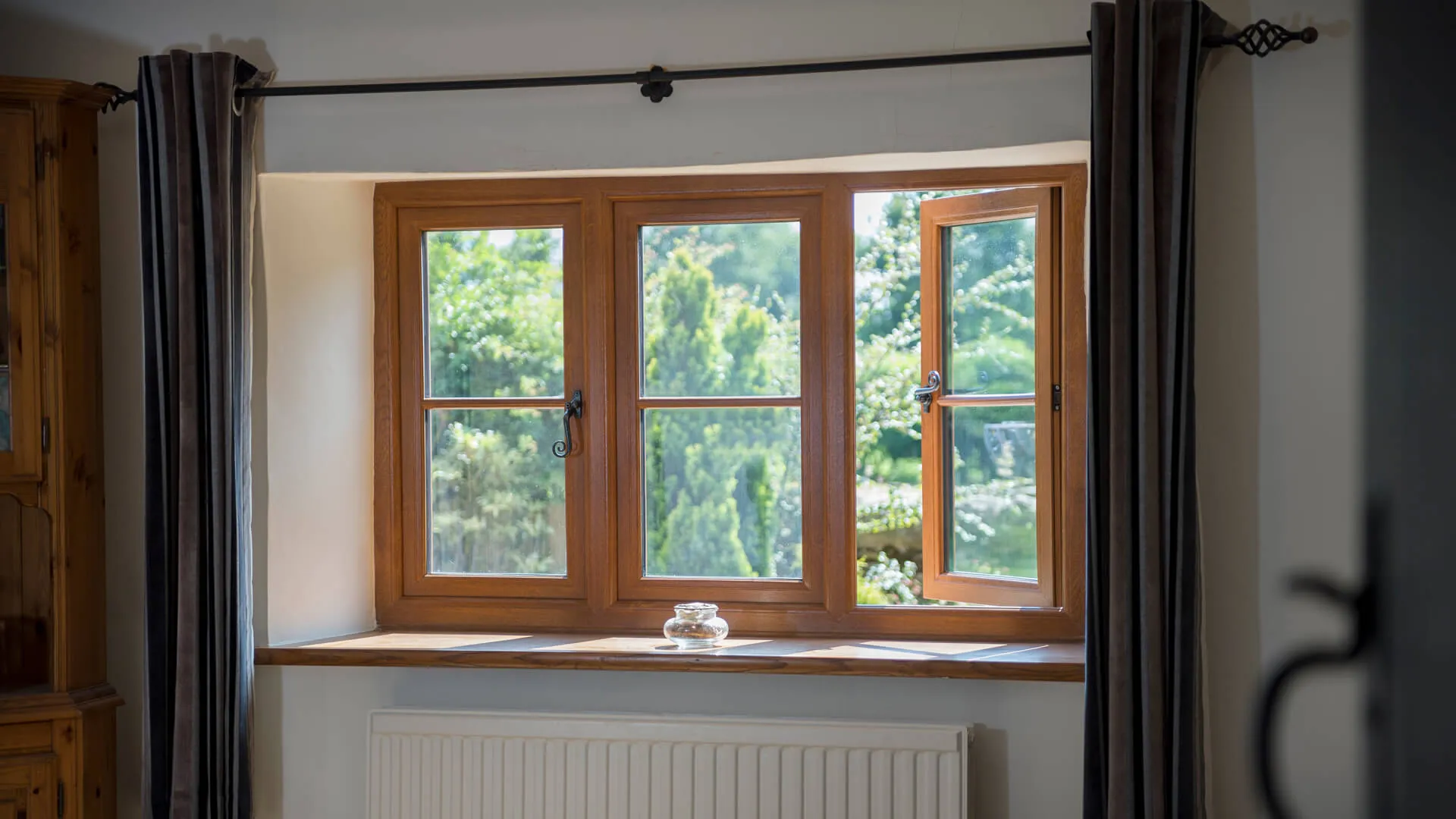
Flush casement windows in South Wales are hinged at the side, and it causes the sash to close flush into the external frame for a perfectly flat surface. Unlike standard casements, they have no external, visible lip, which makes flush casement windows sleeker and better for expansive views. Modern flush casement UPVC windows and flush-fit UPVC casements contain mechanical jointing of sashes, deep bottom rails, and a standard co-extruded gasket weather seal, combining to usher first-rate thermal efficiency and facilitating effortless operation.
Flush Sash Windows Explained
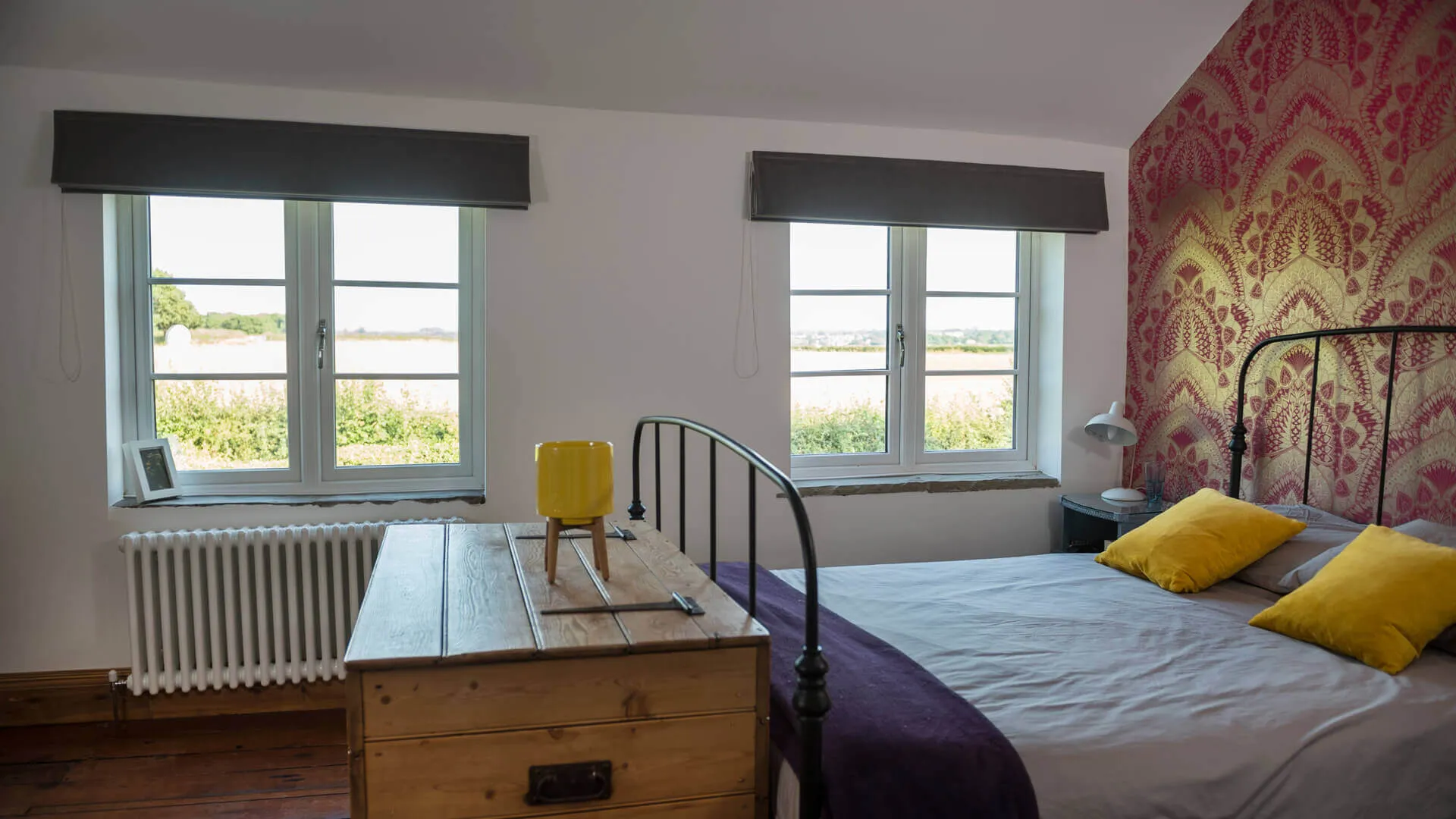
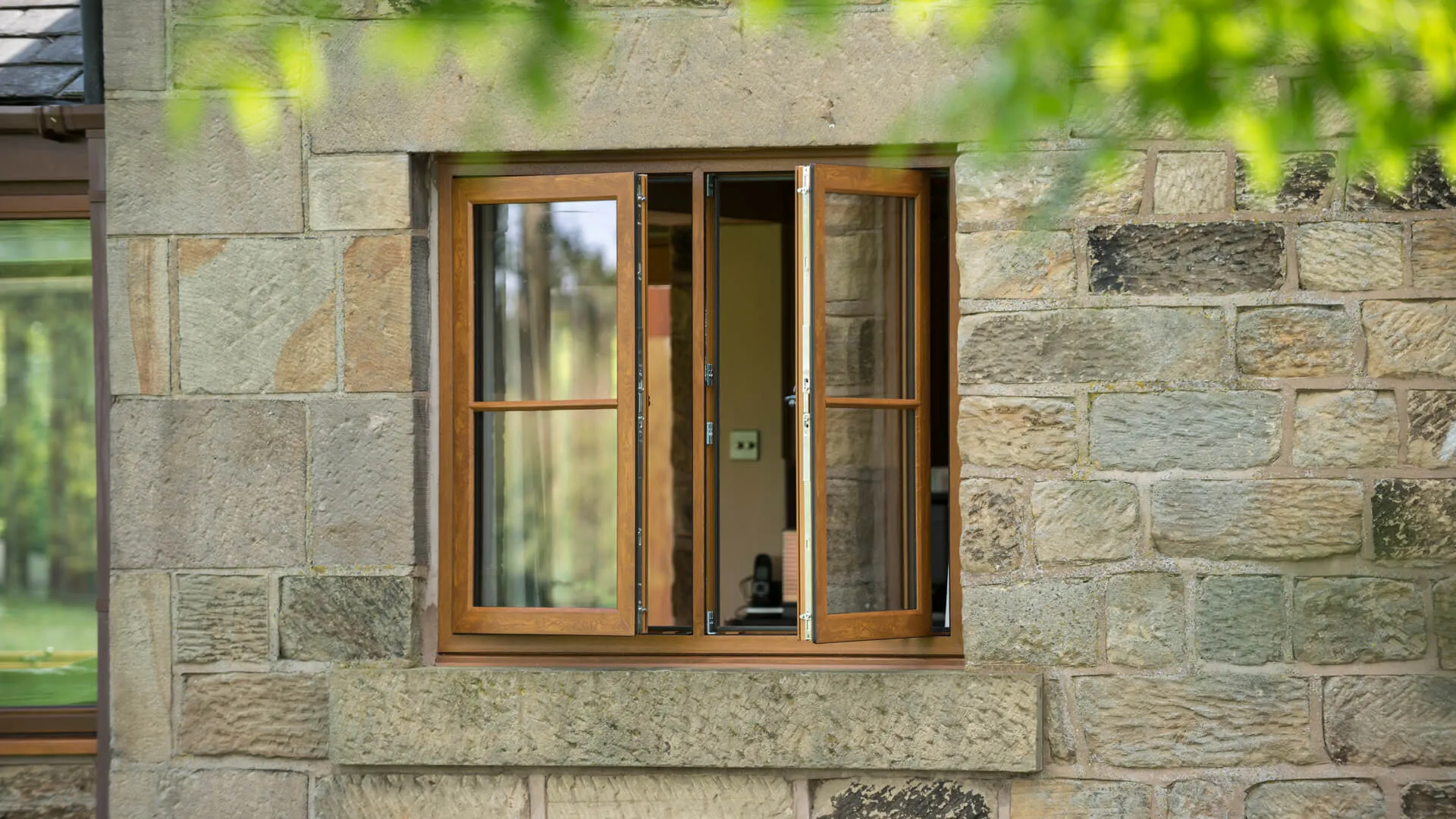
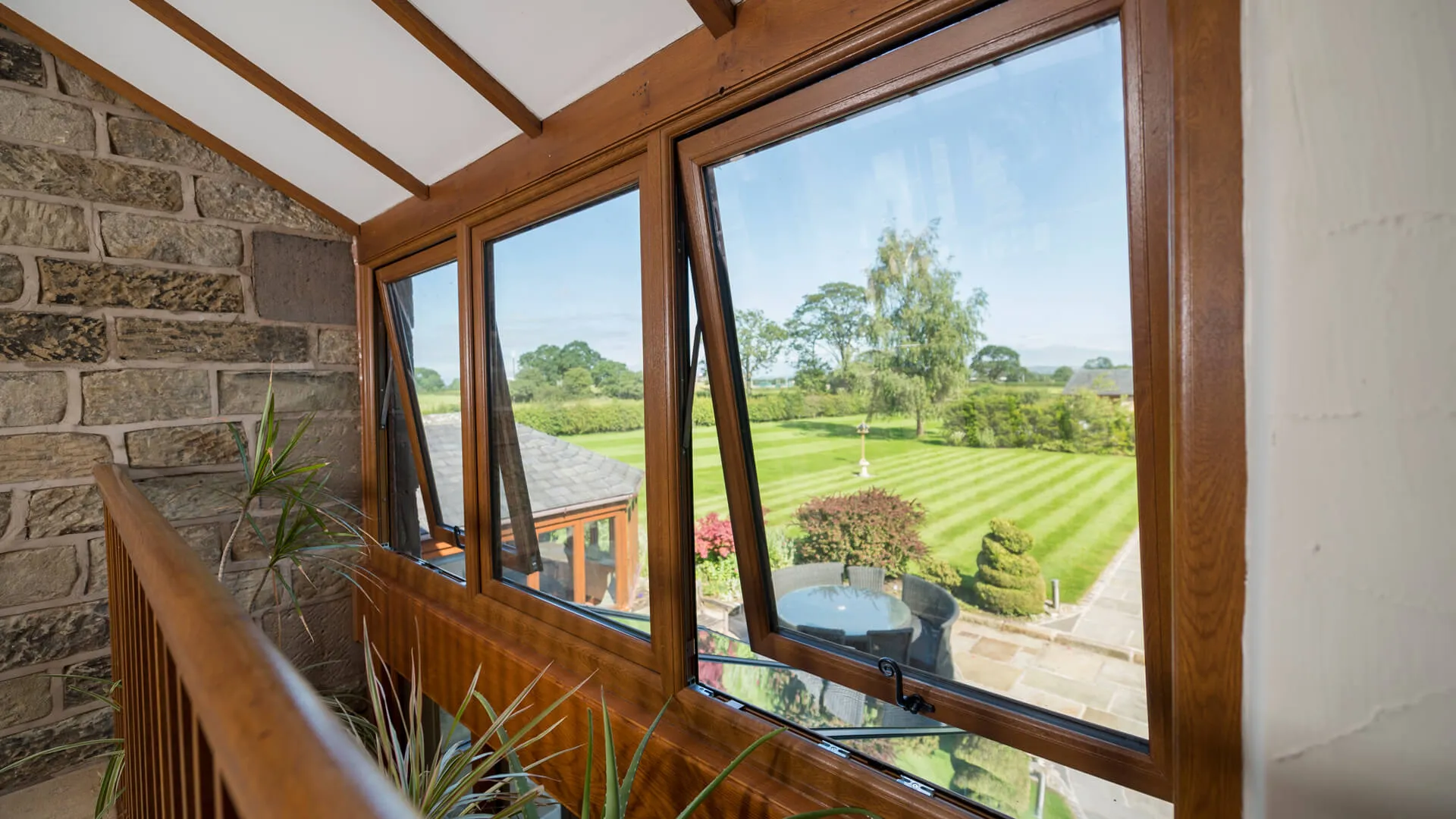
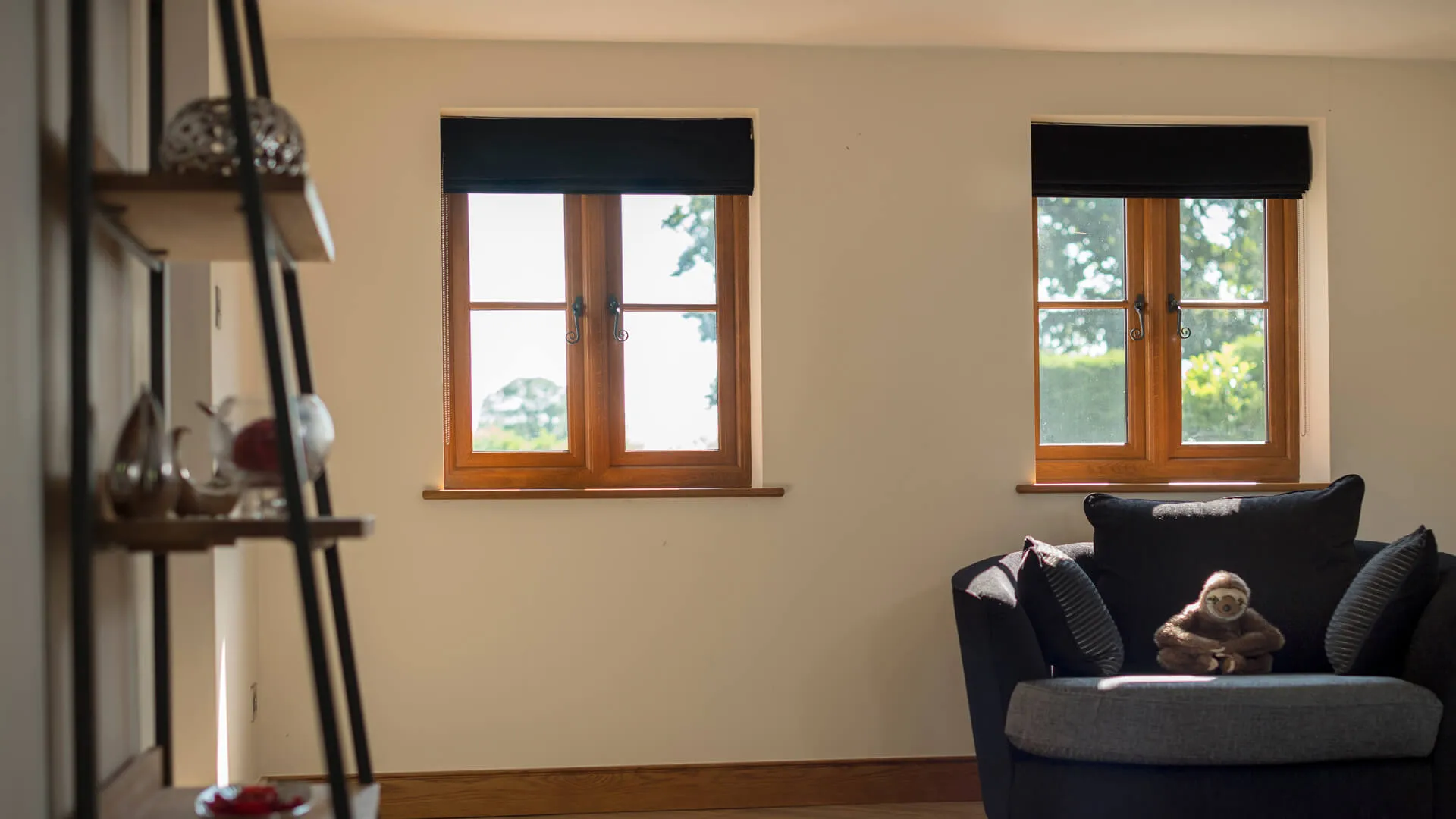
Flush sash windows feature a sash that sits totally flush in the frame – so, there’s no overlap and just a completely levelled profile. The versatility of a flush sash window is embodied by its immaculate look and is a major reason why UPVC flush sash windows and flush sash aluminium windows befit inclusion in traditional and contemporary residences. Smartly crafted flush sash windows cater brilliantly for those wanting energy efficient windows that have heritage charm, perform impressively and display modern elegance.
Flush Windows vs Non-Flush Windows
The main differentiator between flush and non-flush is how the two windows sit within their respective frame.
Non-flush windows, including storm casement windows (also advertised as lipped casement windows), have openable parts that extend past the frame. Their sash sits proud of it, creating a visible lip overlapping the external edge, acting as a weather resistant component.
Flush triple glazing windows sit completely level with the frame, producing an even, smooth surface that doesn’t have an overlap. Design choices and hardware options are generally broader with non-flush UPVC casement windows and other non-flush offerings, while flush windows are principally all about delivering streamlined looks.
They fare very similarly from a performance point of view, as non-flush windows and modern flush innovations both supply great energy efficiency. Often, it’s aesthetics that dictate which people buy – stormproof windows fulfil tradition and functionality, while the flawless finish of flush windows suits modern and heritage residences.
Design and Appearance Variations
Identify flush windows, particularly flush casement windows, by their sash, which sits entirely flush inside the frame when they’re shut, rather than having any overlap. Stormproof (or lipped) designs, including storm casement windows, are lipped and encompass openable sections that project outwards from the frame.
Standard UPVC casement windows do have an external overlap of sash over frame, chiefly for weatherproofing purposes, prompting a very traditional and bulkier aesthetic. Manufacturing practices, such as Smoothweld joints, are behind the absence of an overlap in flush designs and fundamental to their clean lines and spectacular finishes.
Which Style Should You Select?
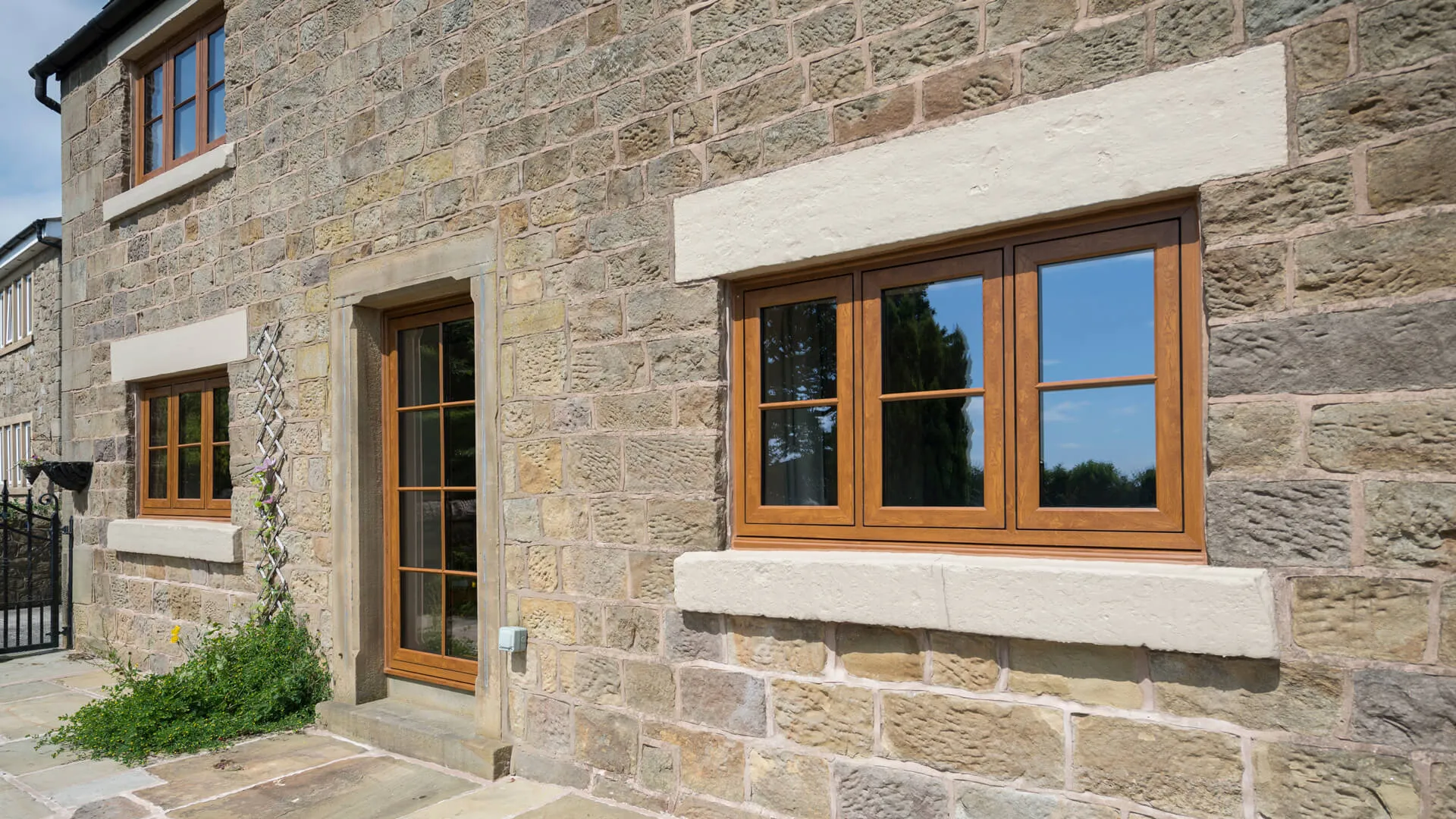
The types of windows for a home that generally complement period homes, traditional residences, listed buildings and properties in conservation areas are flush sash windows and flush casement windows, as they mimic classic timber windows.
It’s vital to stress though that flush windows aren’t exclusively reserved for traditional dwellings. Aluminium flush casements are popularly chosen for modern abodes, often when a homeowner wishes to mirror period charm with contemporary style.
If your practical requirements are comprehensive, you’re likely to find that non-flush styles have greater flexibility, with a wider choice of frame designs, finishes and hardware.
Thermal And Energy Efficiency Credentials
Flush windows deliver first-class thermal performance and utmost stylishness. What is a good u value for windows with standard window configurations can be anything as low as 1.1 W/m²K, keeping heat loss to an absolute minimum and fostering vast indoor comfort.
Double glazing is present in most contemporary window systems, and they generally offer an A-rating. Flush designs that also have advanced frame constructions and tight seals provide elite insulation in various property settings.
Homes armed with flush windows benefit from elevated heat insulation and reduced energy consumption. They ought to be considered for any house renovation as they engineer amplified comfort and cost savings.
There are steps you can take to improve the insulation supplied by energy-efficient designs – they’re discussed in our article on how to insulate windows.
Flush Windows Security
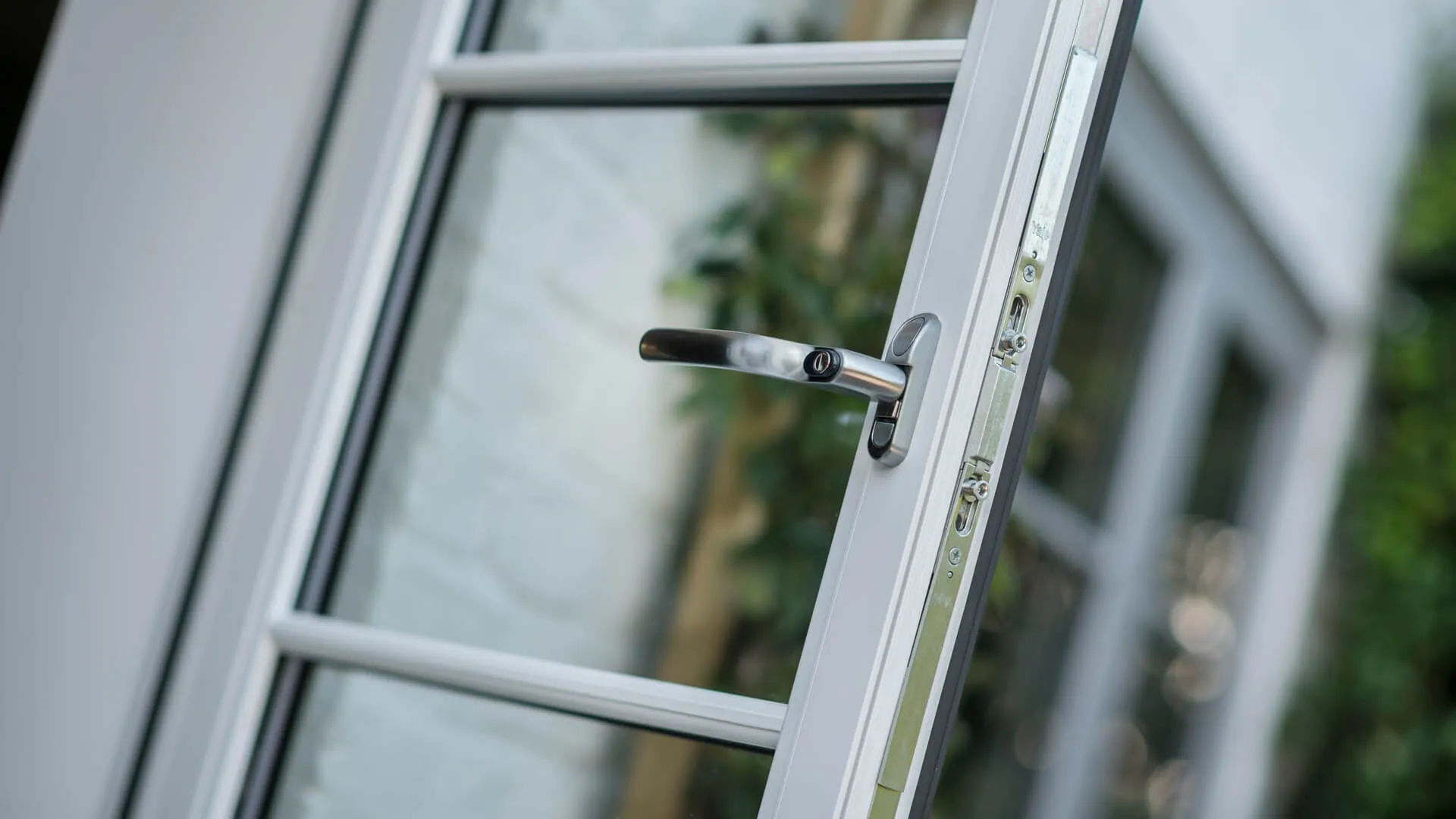
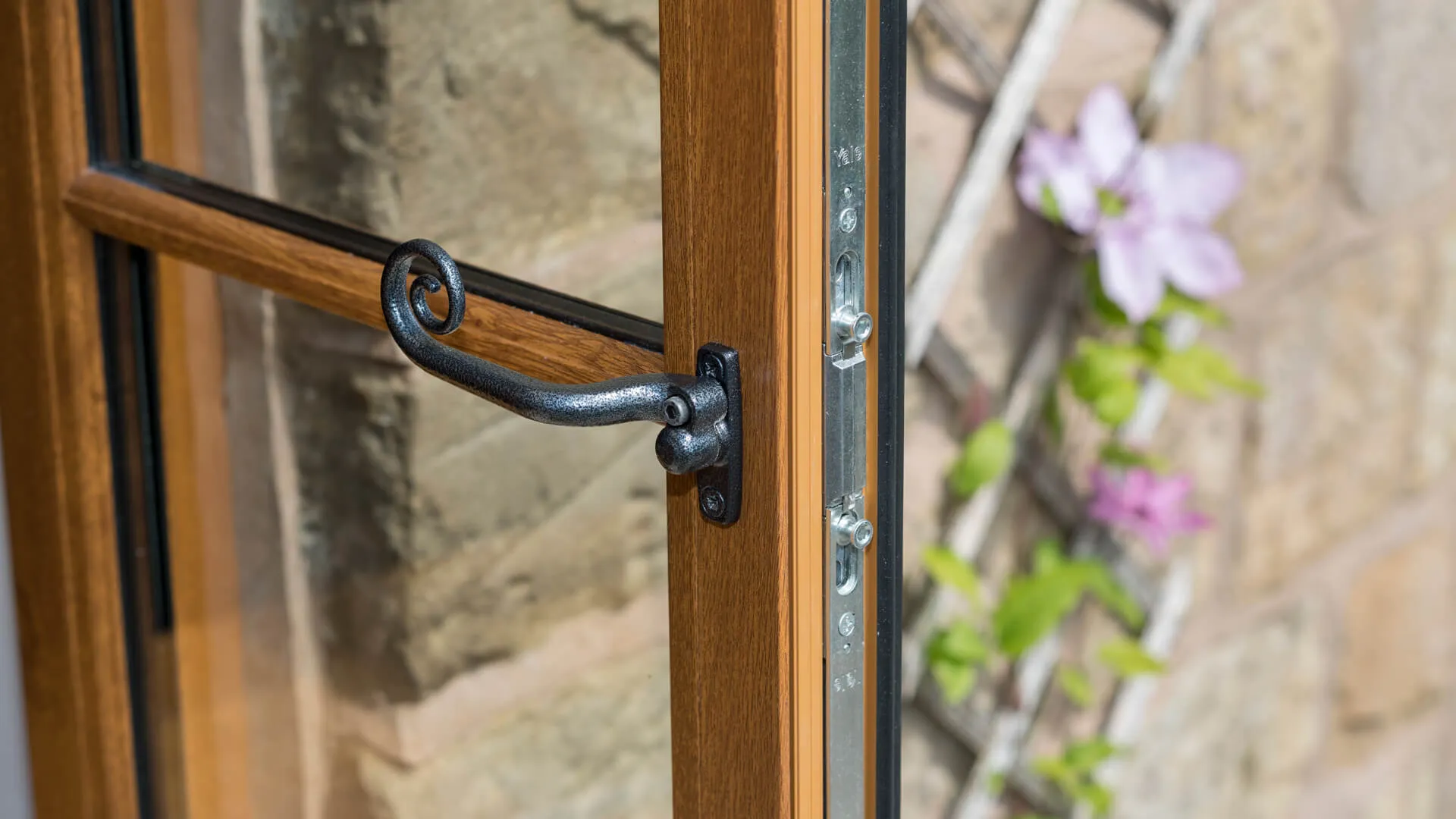
You want to feel secure in your house and modern flush windows are loaded with security features. A multi-point locking mechanism is contained in their designs, which fixes the sash at various points along the frame to combat break-ins. Flush window security needs to always include multi-point locking to be effective at offering protection.
Modern-day locks normally comply with PAS 24 approved security requirements, proving they have what it takes to block intrusion. High security locking is also present in flush casement windows as another security safeguard.
Additional security precautions in flush windows include internal beaded glazing (this stops the removal of glass from the outside), hinge protectors and anti-lifting blocks. There are also key-locking handles, secure night vents and child safety restrictors to bolster security.
Cost and Long-Term Value
Rather than think too much about the cost of flush windows, concentrate your thoughts on the immense value they’ll bring (this is a good time to read about how long do windows last). Overall, UPVC flush sash windows will prove way more cost-effective than timber windows because of their cheaper cost and simpler maintenance.
Flush casement windows can be bought at a competitive price, especially when you consider the superb thermal efficiency and resilience they promise. On amplifying insulation, flush windows will be the architect of cheaper heating and are a worthwhile enhancement for homes new and old.
Conclusion
To conclude our discussion of flush windows vs non-flush windows, we’ll end on a reminder that flush windows lie flat against a wall, with no protrusion externally, for a sleek, modern finish. Selection of flush casement windows or flush sash windows assures you of a clean, modest aesthetic that will gorgeously align with your modern or period home.
Take things like budget, house style and performance requirements into account when deliberating whether to purchase UPVC flush windows or aluminium flush windows.
Performance and security should be placed on the same pedestal as aesthetics. Flush windows easily surpass contemporary thermal demands and minimise energy bills, and most contain high security locking, along with a multi-point lock and child safety restrictors. Don’t decide on anything without evaluation of security certifications and U-values, and if you live in a listed building or conservation house, check if any planning restrictions are enforced. It’s worth a moment of your time to also learn about standard window sizes, authored by one of our window specialists at First Class Windows, Doors & Conservatories.
Request your Free Quote
Simply fill in your details for your free, no obligation quotation, and click "Get Quote"